The Baltic region, including modern-day Latvia, Estonia, and Lithuania, experienced its own distinct witch trial tradition. Latvia, under the rule of the Livonian Order and later Swedish and Polish authority, saw witch trials that blended Western European demonology with local folk traditions. The Baltic witch trials are notable for the Thiess of Kaltenbrun case (1692), in which an 80-year-old Latvian man testified that he was a werewolf — but insisted that werewolves were 'Hounds of God' who fought against the Devil and witches to protect the harvest. This inversion of the standard narrative, in which shape-shifting was evil, shocked the court and has fascinated scholars of European folklore ever since. Baltic witch trials tended to occur later than those in Western Europe and often reflected the region's unique mix of Christian and pre-Christian belief systems. The Latvian folk tradition of 'raganas' (witches) who could control weather and livestock is distinct from the fully developed Satanic witch theory of Western European courts.
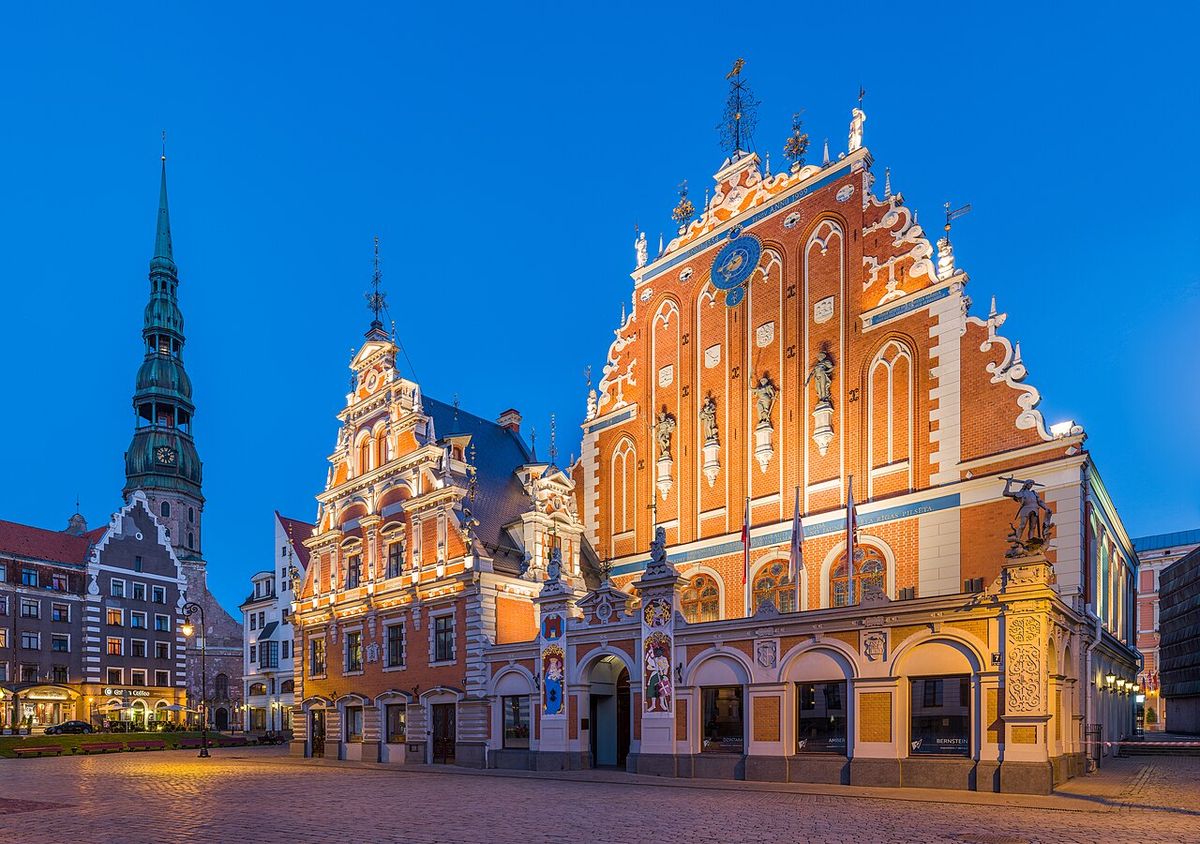
Wikimedia Commons (CC BY-SA 3.0) — Diliff
Witch Trials in the Baltic — Latvia and the Livonian Tradition
Folklore & LegendsWitch/CurseHistorical
56.8406°N, 24.7538°E
Location
Latvia
Discussion
Loading comments...