The great European witch trial epidemic, spanning roughly three centuries from 1450 to 1750, was one of the most extraordinary episodes of mass persecution in human history. An estimated 80,000 to 100,000 people were tried for witchcraft, with approximately 40,000 to 60,000 executed — the vast majority by burning at the stake on the European continent, or by hanging in England and its colonies. The persecution was concentrated in the Holy Roman Empire (modern Germany, Switzerland, Austria, and surrounding regions), which accounted for roughly half of all executions. France, Scotland, and Scandinavia also experienced severe outbreaks. The causes were complex and interrelated: the Little Ice Age brought crop failures and famine, creating a desperate search for scapegoats; the Reformation and Counter-Reformation generated intense religious anxiety; the printing press spread witch-hunting manuals; and legal reforms that permitted torture in witchcraft cases created self-sustaining cycles of accusation. The victims were disproportionately women (roughly 75-80%), often elderly, poor, or socially marginal, though men, children, and the wealthy were not immune.
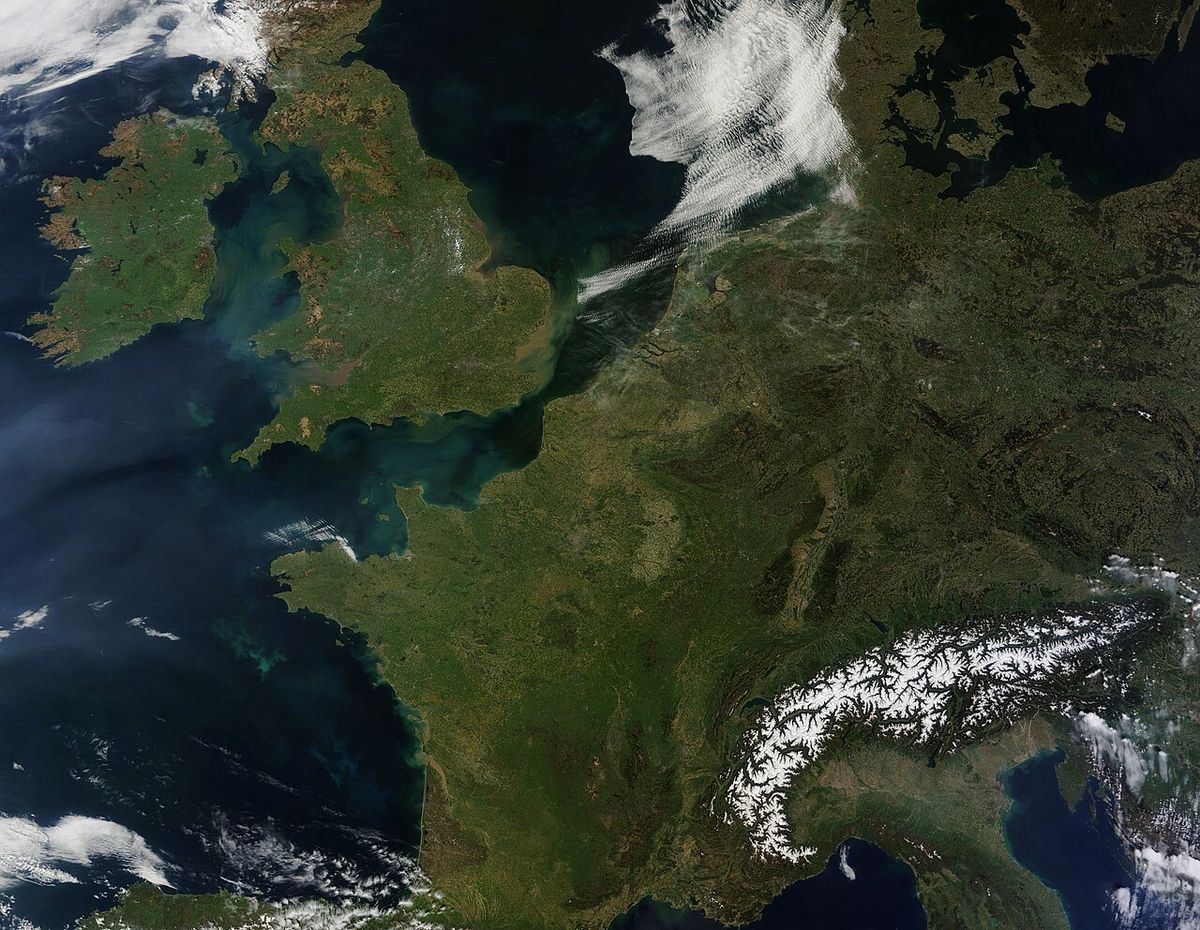
Wikimedia Commons (Public domain) — Jeff Schmaltz, MODIS Land Rapid Response Team, NASA GSFC
The Witch Trial Epidemic Across Western Europe (1450-1750)
Folklore & LegendsWitch/CurseHistorical
53.8603°N, 27.5530°E
Location
Western Europe
Discussion
Loading comments...