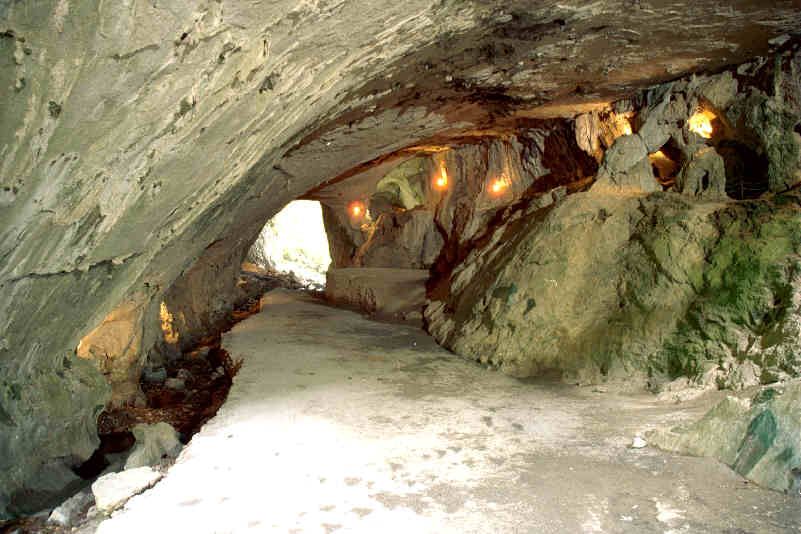
In 1610, the Spanish Inquisition conducted one of its most significant witch trials at the town of Zugarramurdi in the Basque region of Navarre, near the French border. The investigation centered on alleged gatherings of witches at the Caves of Zugarramurdi — a dramatic natural cave system where, according to accusations, sabbaths involving hundreds of participants had taken place. The Inquisition arrested 53 suspected witches. At the auto-da-fé held in Logroño on November 7-8, 1610, six were burned alive, five were burned in effigy (having died during imprisonment), and the remainder received lesser sentences.
The Zugarramurdi case is notable in the history of witch persecution because it prompted one of the earliest and most significant challenges to witch trial methodology. Inquisitor Alonso de Salazar Frías was sent to investigate additional accusations in the Basque Country and concluded that the confessions were unreliable and the evidence nonexistent. His report, which argued that 'there were neither witches nor bewitched until they were talked and written about,' effectively ended large-scale witch prosecution by the Spanish Inquisition.