Across European folklore, the Wild Hunt is frequently associated with the entrance to the underworld or the realm of the dead. In Germanic and Norse traditions, the Hunt's route was believed to pass between the worlds of the living and the dead, following ancient paths that connected burial mounds, standing stones, and other liminal places in the landscape. In some traditions, the dead encountered during the Hunt included not only warriors but also unbaptized children, suicide victims, and those who had died violent deaths — souls that could find no rest and were condemned to ride eternally. The sound of the Hunt — variously described as thundering hooves, howling winds, baying hounds, and screaming voices — was one of the most feared nocturnal phenomena in pre-modern Europe. The association between the Wild Hunt and the entrance to Hell was strengthened after Christianization, when Church authorities reinterpreted the pagan procession as a demonic cavalcade. Yet the older, morally neutral conception of the Hunt persisted in folk tradition, where it was understood less as a manifestation of evil than as an awesome, terrifying reminder of the proximity of the dead.
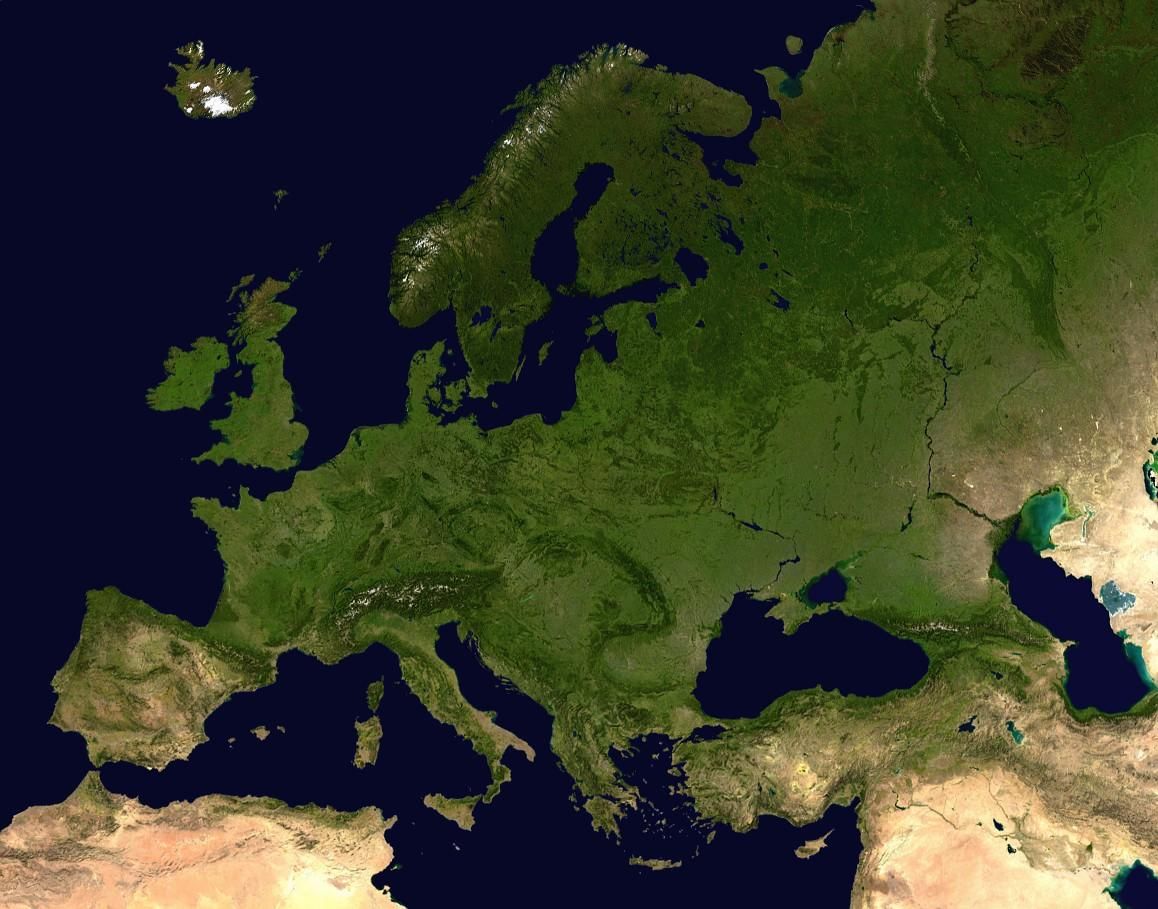
Wikimedia Commons (Public domain) — Unknown
The Wild Hunt and the Gates of Hell — European Folklore's Darkest Ride
Folklore & LegendsOther LegendUnverified
42.4348°N, 83.9849°W
Location
Europe
Discussion
Loading comments...