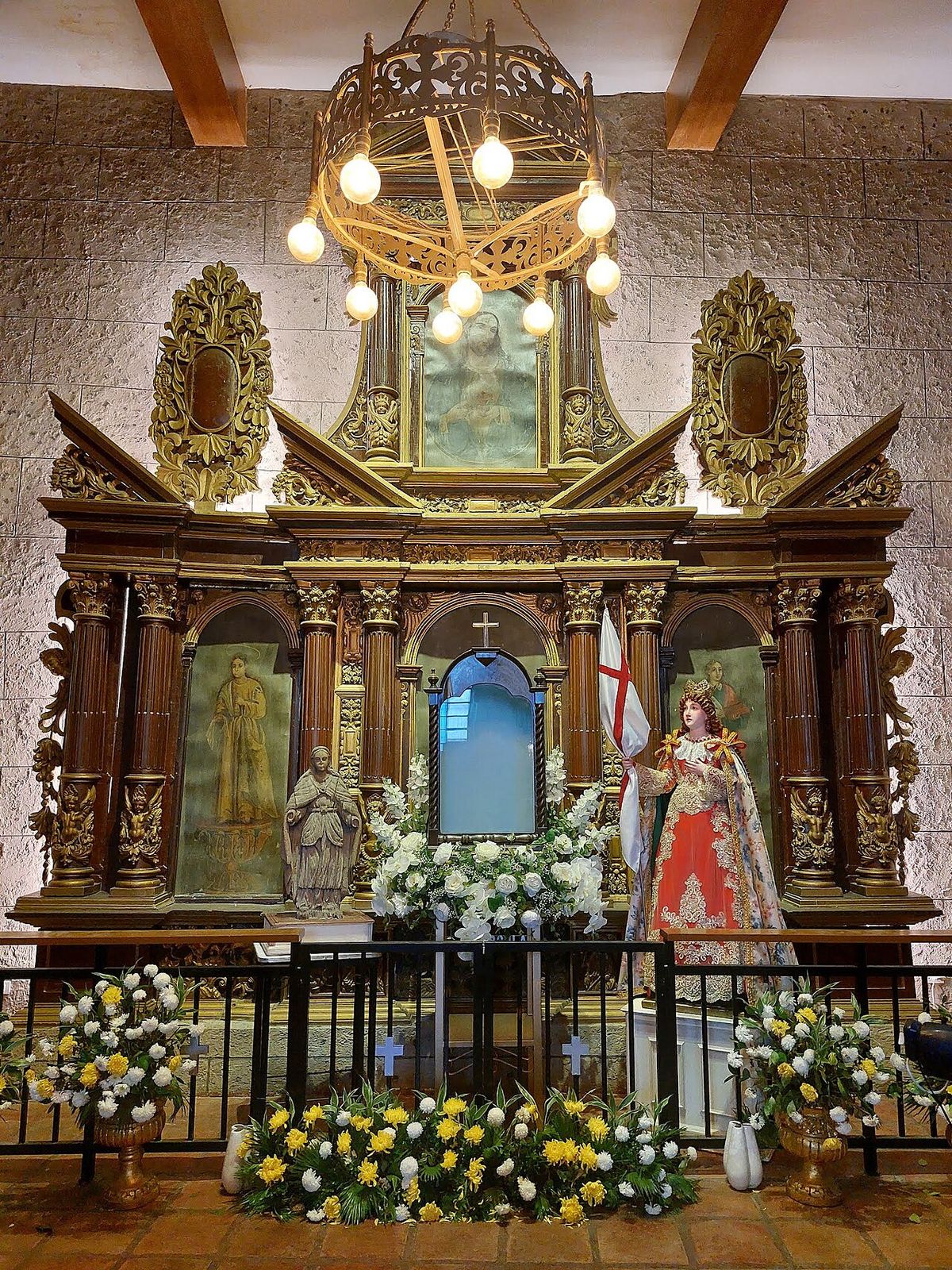
Binangonan Church in Rizal province contains one of the most remarkable wartime ghost stories in the Philippines — an account in which a white lady did not merely haunt a location but actively defended it, driving out Japanese soldiers who had occupied the convent in 1945.
According to the account, Japanese forces who commandeered the church convent as a military quarters were subjected to nightly visitations by a white lady who appeared in the corridors and rooms of the religious residence. The haunting was so persistent and so terrifying that the hardened soldiers of the Imperial Japanese Army abandoned the convent after approximately one week, unable or unwilling to continue occupying a building where a spectral woman appeared every night.
The story inverts the usual power dynamic of Philippine wartime ghost narratives, where the Japanese are the perpetrators of violence and the ghosts are their victims. At Binangonan Church, the ghost is the aggressor and the Japanese are the ones who flee. The white lady functions as a defender of sacred space — a spiritual guardian who protected the convent from military desecration by making it uninhabitable for the occupiers.
In Filipino Catholic tradition, churches and convents are consecrated spaces that carry divine protection. The idea that a supernatural entity would rise to defend a church against military occupation resonates with the deep religiosity of wartime Filipino communities who prayed for divine intervention against the Japanese. Whether the white lady was understood as a saint, a deceased nun, or a manifestation of the community's collective spiritual resistance, her success in expelling the Japanese has made her a figure of pride in Binangonan's local history.
The church itself survived the war and continues to serve its parish community. The white lady's current status — whether she remains in the convent or departed once her defensive mission was accomplished — is a matter of local debate.