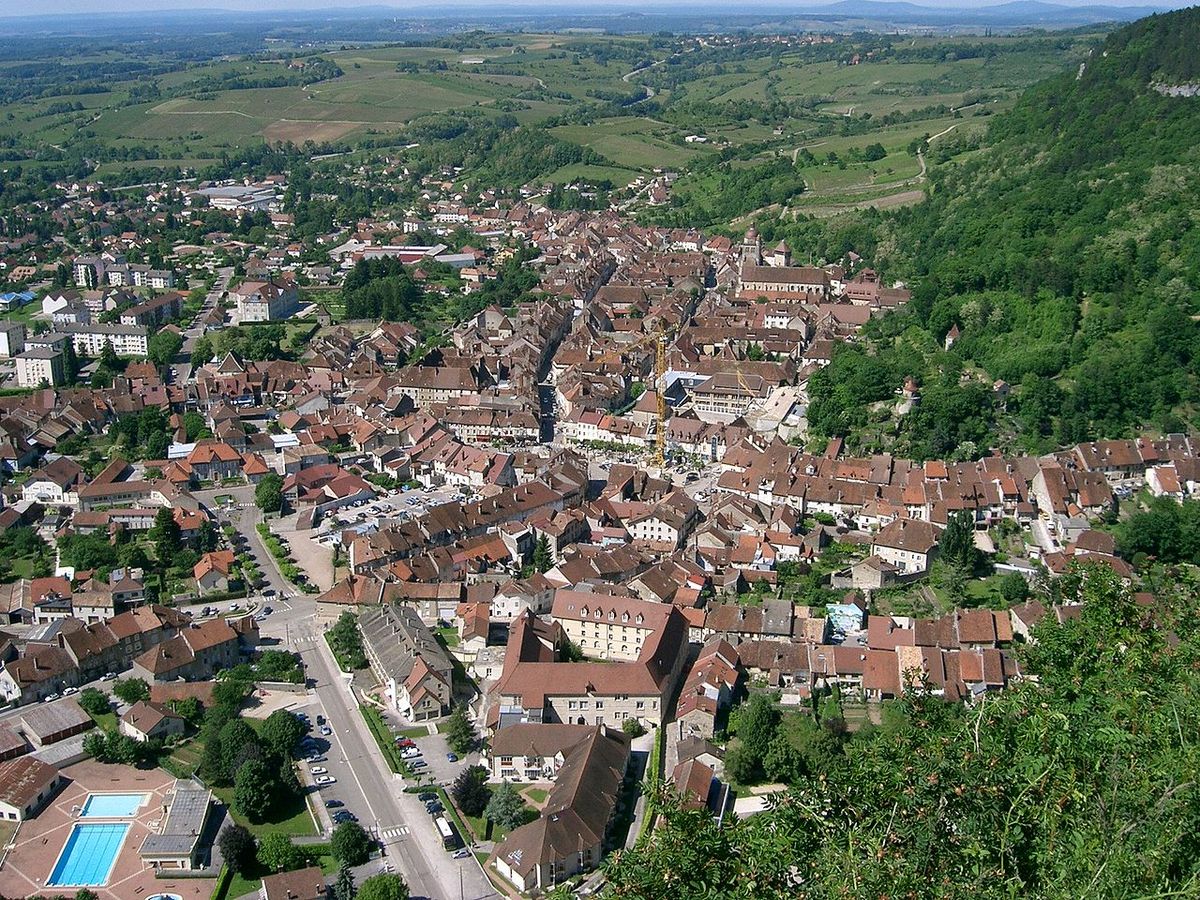
In 1521, two men from Poligny in the Jura region of eastern France — Pierre Burgot and Michel Verdun — were tried and executed for the crime of lycanthropy: the ability to transform into wolves through a pact with the Devil. Burgot confessed that nineteen years earlier, during a devastating storm, he had met three men on horseback dressed in black who offered to protect his flocks in exchange for his allegiance. He agreed, and was later taken to a sabbath where he renounced Christianity and received a magical ointment that, when applied to his body, transformed him into a wolf.
In wolf form, Burgot and Verdun claimed to have killed and eaten several children. The Poligny case was one of the earliest well-documented werewolf trials in France and helped establish the legal and theological framework for prosecuting lycanthropy. The case occurred at the intersection of two powerful cultural currents: the ancient folk belief in shape-shifting (attested in European cultures since antiquity) and the new demonological interpretation that classified all supernatural transformations as products of Satanic power.