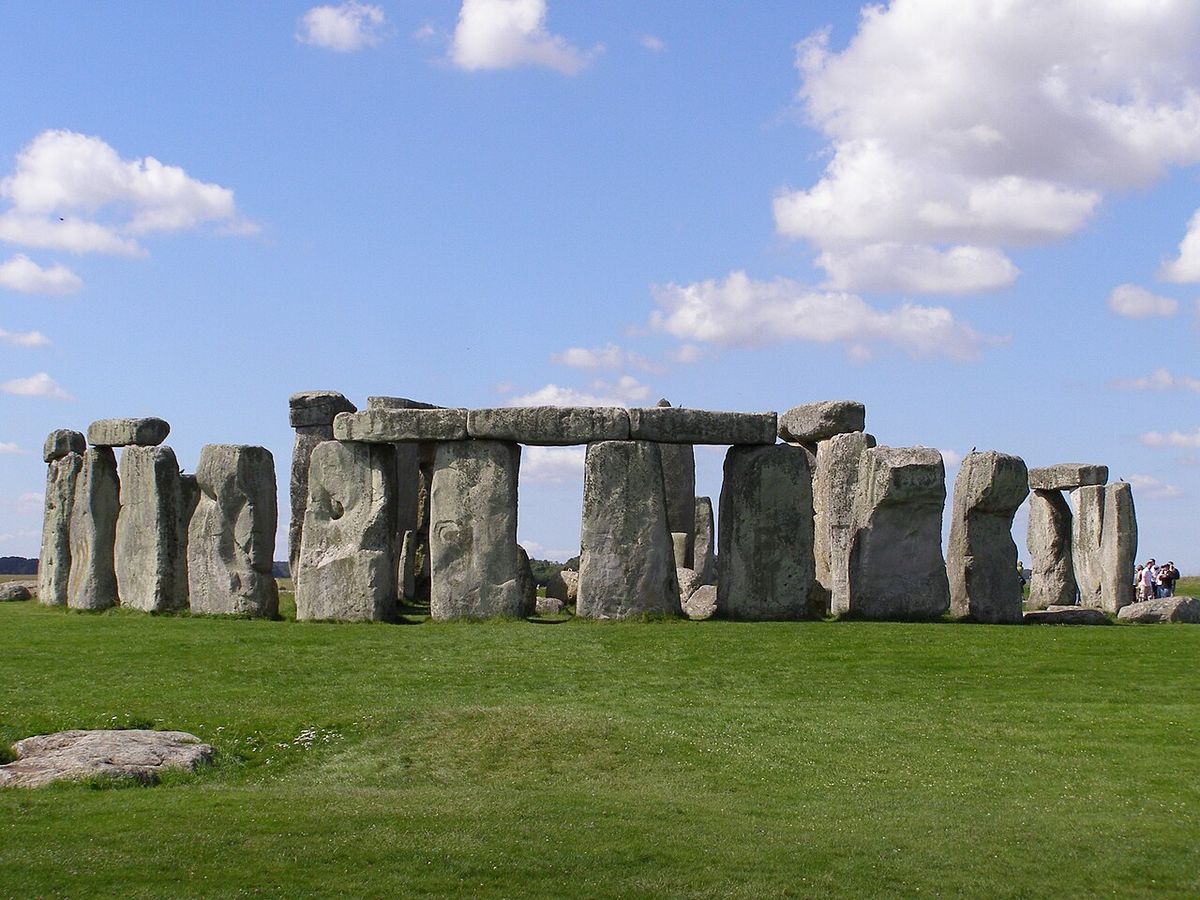
On July 7, 1996, one of the most celebrated crop circle events in history unfolded in a wheat field directly opposite the Stonehenge monument in Wiltshire, England. The formation, quickly dubbed the 'Julia Set' for its resemblance to the mathematical Julia Set fractal, consisted of 149 precisely placed circles arranged in a spiraling pattern approximately 900 feet long. What made this formation particularly remarkable was the claim by multiple witnesses, including a pilot and a Stonehenge security guard, that it appeared in broad daylight within an approximately 45-minute window.
The pilot, who had flown over the field earlier that afternoon and observed nothing unusual, was astonished to see the completed formation on his return flight. The location was extraordinary — directly across the A303 highway from one of the world's most famous prehistoric monuments, in an area with constant foot and vehicle traffic. The Stonehenge Julia Set was a watershed moment in crop circle history: its mathematical precision, its impossible speed of creation, and its symbolic proximity to Stonehenge made it either the most audacious art installation in history or evidence of something that defied conventional explanation.