By 1969, the scientific explanation for fairy rings was well established: they are caused by underground fungal mycelia that grow outward from a central point, producing fruiting bodies (mushrooms) along the expanding edge of the colony. Some fairy rings can be centuries old, growing a few inches per year, reaching diameters of hundreds of meters. Yet even as science demystified the mechanism, the folklore persisted. The coincidence of the ring shape — one of the most potent symbols in human mythology — with the eerie regularity of the mushroom circles ensured that fairy ring traditions remained alive in popular culture. Mycologists have noted that the largest fairy rings in the world can be over 600 meters in diameter, with estimated ages exceeding 700 years. In the context of folklore, this means that a fairy ring encountered by a medieval peasant could be the very same ring seen by their ancestors centuries earlier, reinforcing the sense that certain places in the landscape possessed a persistent, unchanging supernatural presence.
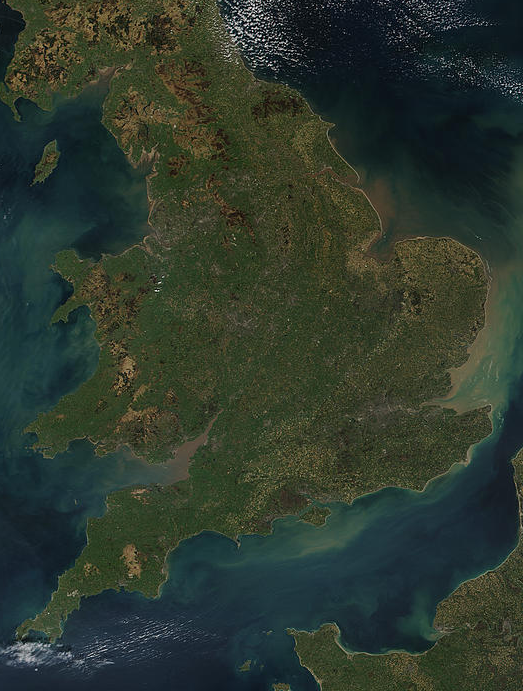
Wikimedia Commons (Public domain) — Jacques Descloitres, MODIS Land Rapid Response Team, NASA/GSFC
The Science of Fairy Rings — Fungal Biology Meets Ancient Folklore (1969)
Folklore & LegendsFairy/Fae EncounterUnverified
51.4544°N, 2.5344°W
Location
England
Discussion
Loading comments...