The belief in witchcraft — the ability of certain individuals to cause harm through supernatural means — is one of the most universal and enduring concepts in human culture. While the European witch trial era (1450-1750) dominates popular understanding, witchcraft beliefs exist on every inhabited continent. In Africa, witch-finding and accusations remain a serious social issue in some regions. In parts of India and Papua New Guinea, suspected witches face violence to this day. Indigenous cultures across the Americas, Oceania, and Asia maintain their own distinct traditions regarding malevolent magic workers. What connects these diverse traditions is a common human tendency to explain misfortune through agency — the belief that bad events are not random but are caused by someone with hostile intent and supernatural power. The European witch trials were distinctive not for the existence of witch beliefs (which were ancient) but for the unprecedented legal and theological apparatus that transformed those beliefs into a systematic engine of persecution. Understanding witchcraft beliefs requires recognizing them as a fundamental feature of human cognition — the search for meaning and causation in a dangerous and unpredictable world.
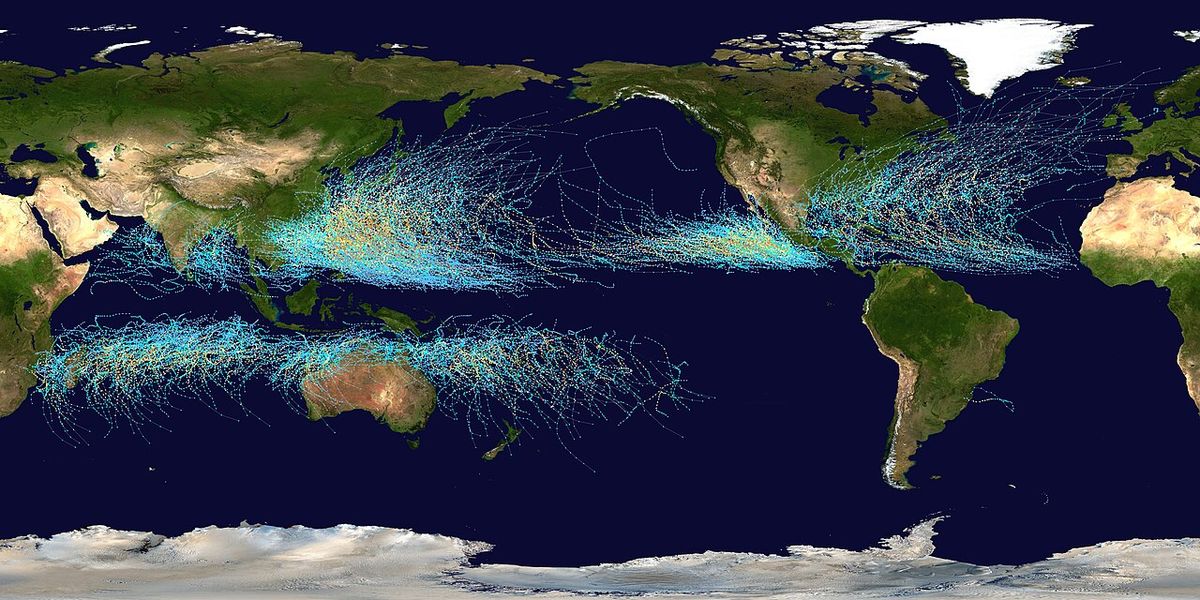
Wikimedia Commons (Public domain) — Background image: NASA this version: Nilfanion
The Concept of Witchcraft Across Cultures and Centuries
Folklore & LegendsWitch/CurseHistorical
49.8218°N, 11.3727°E
Location
Worldwide
Discussion
Loading comments...