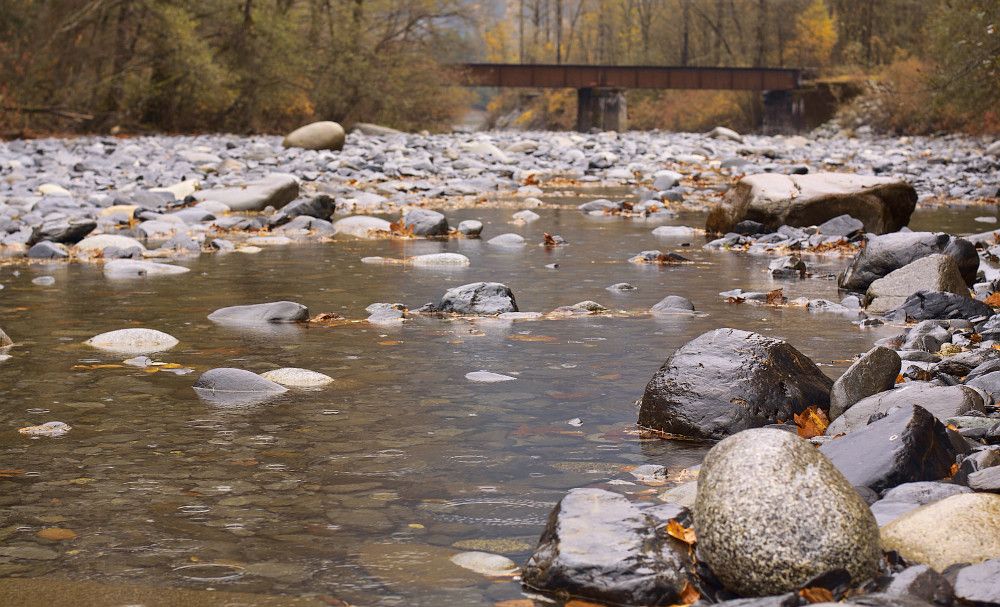
In 1941, Jeannie Chapman of Ruby Creek, British Columbia experienced one of the most detailed early Sasquatch encounters in Canadian history. While alone with her three children at their remote homestead along the Fraser River, Mrs. Chapman spotted a massive, hair-covered humanoid figure approaching the house from the tree line. She described the creature as approximately seven and a half feet tall, covered in dark brown hair, with a barrel chest and enormously broad shoulders.
Terrified, she gathered her children and fled to the nearby village. When her husband George returned home, he found the family gone and discovered enormous humanoid footprints — sixteen inches long — pressed deeply into the soft earth around the property. A heavy barrel of salted fish, weighing an estimated two hundred pounds, had been moved from the porch.
The Chapmans never returned to the homestead. The incident was investigated years later by journalist John Green and naturalist Ivan T. Sanderson, both of whom considered it among the most credible Sasquatch encounters on record.
The Ruby Creek incident is significant because it established the behavioral template — a large, bipedal, hair-covered figure approaching human habitation — that would characterize hundreds of subsequent reports across the Pacific Northwest.