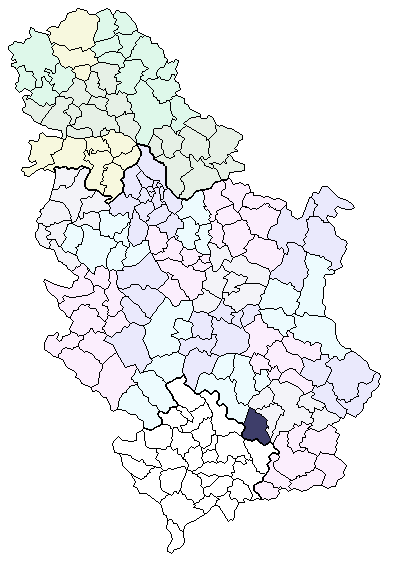
The case of Arnold Paole (also spelled Arnaut Pavle) is one of the best-documented and most influential vampire incidents in European history. In 1726, Austrian military physicians were dispatched to the village of Medveđa in Serbia (then part of the Habsburg Austrian Empire) to investigate reports that a recently deceased man named Arnold Paole had risen from his grave and was killing villagers. Paole had been a soldier who reportedly told neighbors before his death that he had been attacked by a vampire while serving in Turkish Serbia and had tried to cure himself by eating earth from the vampire's grave and smearing himself with its blood.
After Paole's death, several people who had contact with him also died under mysterious circumstances. Austrian authorities ordered the exhumation of Paole's body, which was found to be in an unnaturally preserved state with fresh blood at the mouth — classic signs of vampirism according to Serbian folklore. A stake was driven through the body, which reportedly groaned and bled.
The Austrian military surgeon's official report, known as the 'Visum et Repertum,' was widely published across Europe and triggered an intense intellectual debate about the existence of vampires that lasted decades, involving scholars, physicians, and theologians.