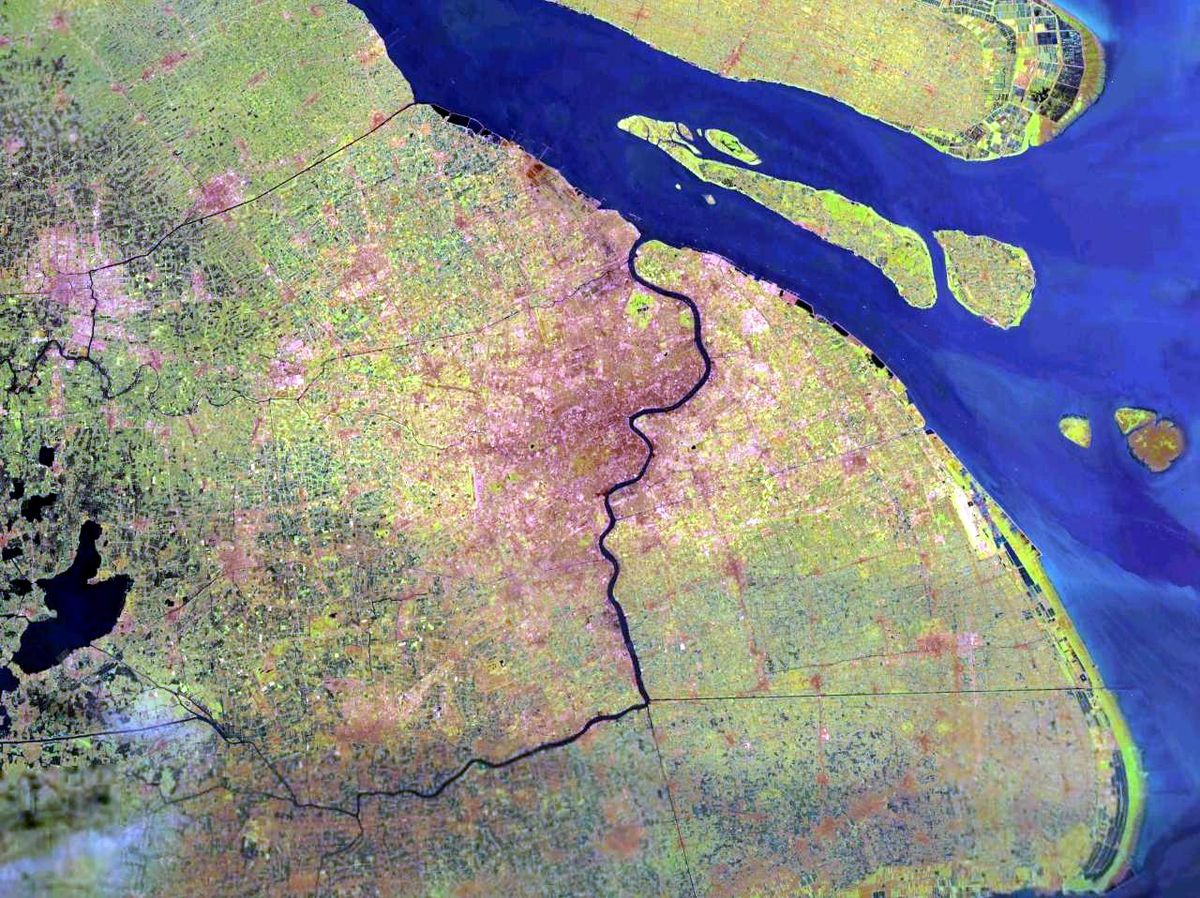
In August 1962, fishermen working the Dongpu shoal off the mouth of the Yangtze estuary — specifically in the approach to the port of Shanghai — reported a large unknown aquatic creature visible at the surface in clear weather. Multiple crews from the Shanghai Oceanic Fisheries Cooperative independently described an animal approximately twelve metres long with a serpentine body, dark green dorsal colouration, and a horse-like head that rose periodically above the surface. The reports were formally logged at the Shanghai Maritime Safety Administration, and a naval patrol boat PLA-Navy dispatched to investigate made visual contact for approximately three minutes before the creature submerged. The incident was reported in the Xinhua News Agency on August 23, 1962, attributed to 'unusual marine activity' without identifying the creature.
Similar sightings had been reported off the Yangtze estuary intermittently since the 1870s, when Jiangnan Arsenal documents noted the occasional appearance of 'long dragons' (长龙) in the delta. A sighting in 1944 during the Japanese occupation was reported by crews of the Yangtze River Command patrol boats to have lasted more than two hours in full daylight. A 2009 incident, photographed from the Shanghai–Ningbo ferry, shows an elongated dark shape paralleling the vessel's course for several minutes; the photograph was analyzed at Shanghai Ocean University without definitive identification.
The Shanghai area's cumulative cryptid tradition is partly anchored in pre-modern Chinese dragon imagery, which draws on direct observation of Yangtze baiji dolphins, Chinese alligators, sturgeon (including the Chinese sturgeon Acipenser sinensis which exceeds 5 metres), and possibly rarer oceanic species such as the oarfish. The 1962 incident is the best-documented modern case in the corridor and is formally listed in Chinese Academy of Sciences records as an unresolved marine observation. Chinese cryptozoological researchers including Zhou Xing of Fudan University have argued for renewed survey of the Yangtze mouth.