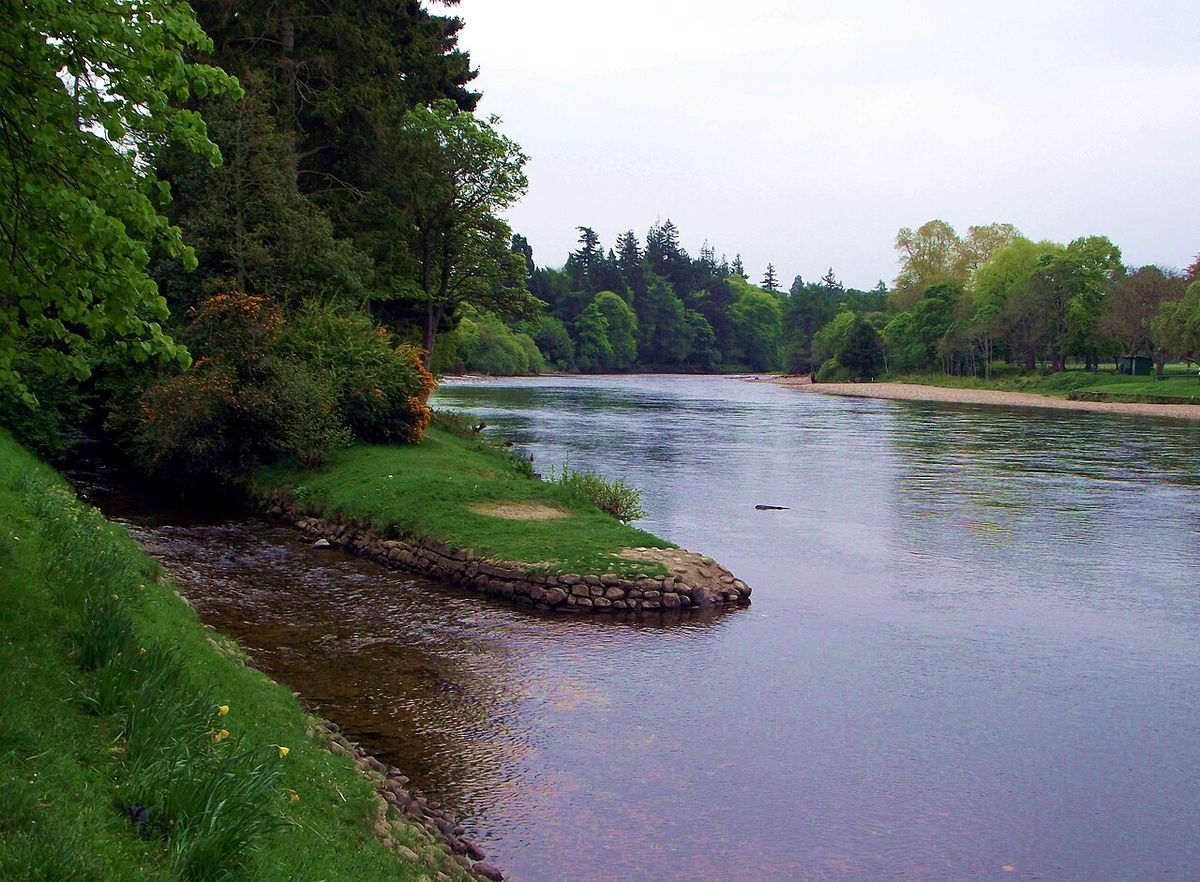
The earliest known account of a large, mysterious creature in the vicinity of Loch Ness dates to 565 AD and appears in Adomnán's 'Life of Saint Columba,' a hagiography of the Irish monk written approximately a century after the events it describes. According to the account, Columba and his companions were traveling through the Scottish Highlands on a mission to convert the Picts to Christianity when they arrived at the River Ness — the waterway connecting Loch Ness to the Moray Firth. There, they found a group of Picts burying a man who had been 'seized and bitten' by a water beast while swimming. Columba ordered one of his followers, Luigne moccu Min, to swim across the river as bait.
When the creature surged toward the swimmer with 'a great roar and open mouth,' Columba raised his hand, invoked God, and commanded the beast to halt. The creature reportedly stopped and retreated. The Picts, according to Adomnán, were so impressed by the miracle that many converted to Christianity. Modern scholars note that the account follows a common hagiographic formula — saints frequently performed miracles involving dangerous animals — and that the story takes place in the River Ness rather than the loch itself.
Nevertheless, the passage is universally cited as the origin point of the Loch Ness Monster legend.