In October 1987, Operation Deepscan mobilized the largest search ever conducted at Loch Ness. Twenty-four boats, arranged in a line stretching the full width of the loch, swept its entire twenty-three-mile length using a curtain of sonar beams, systematically scanning the water column from surface to bottom. The operation was organized by Adrian Shine of the Loch Ness and Morar Project and sponsored by several technology companies.
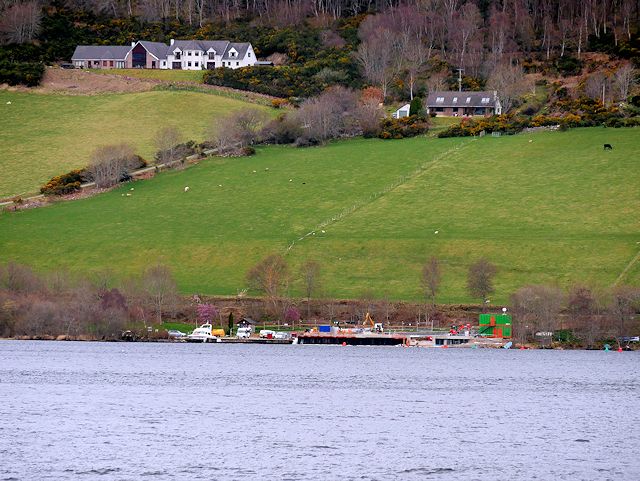
The sonar sweep detected three large, unidentified moving objects in the deep water of Urquhart Bay — one of the deepest sections of the loch, reaching over seven hundred feet. The contacts were significantly larger than any known fish in the loch, moving at depths between seventy and one hundred and eighty meters. Darrell Lowrance, the sonar manufacturer whose equipment was used, stated that the contacts were 'larger than a shark but smaller than a whale,' and that he could not explain them as fish, debris, or equipment artifacts. Despite these tantalizing results, no definitive identification was possible.
Subsequent analysis suggested the contacts could potentially have been schools of fish, though proponents argued that the sonar signatures were inconsistent with schooling behavior. Operation Deepscan remains the most technologically ambitious attempt to locate the Loch Ness Monster, and its ambiguous results — neither confirming nor denying the creature's existence — mirror the enduring mystery of the loch itself.