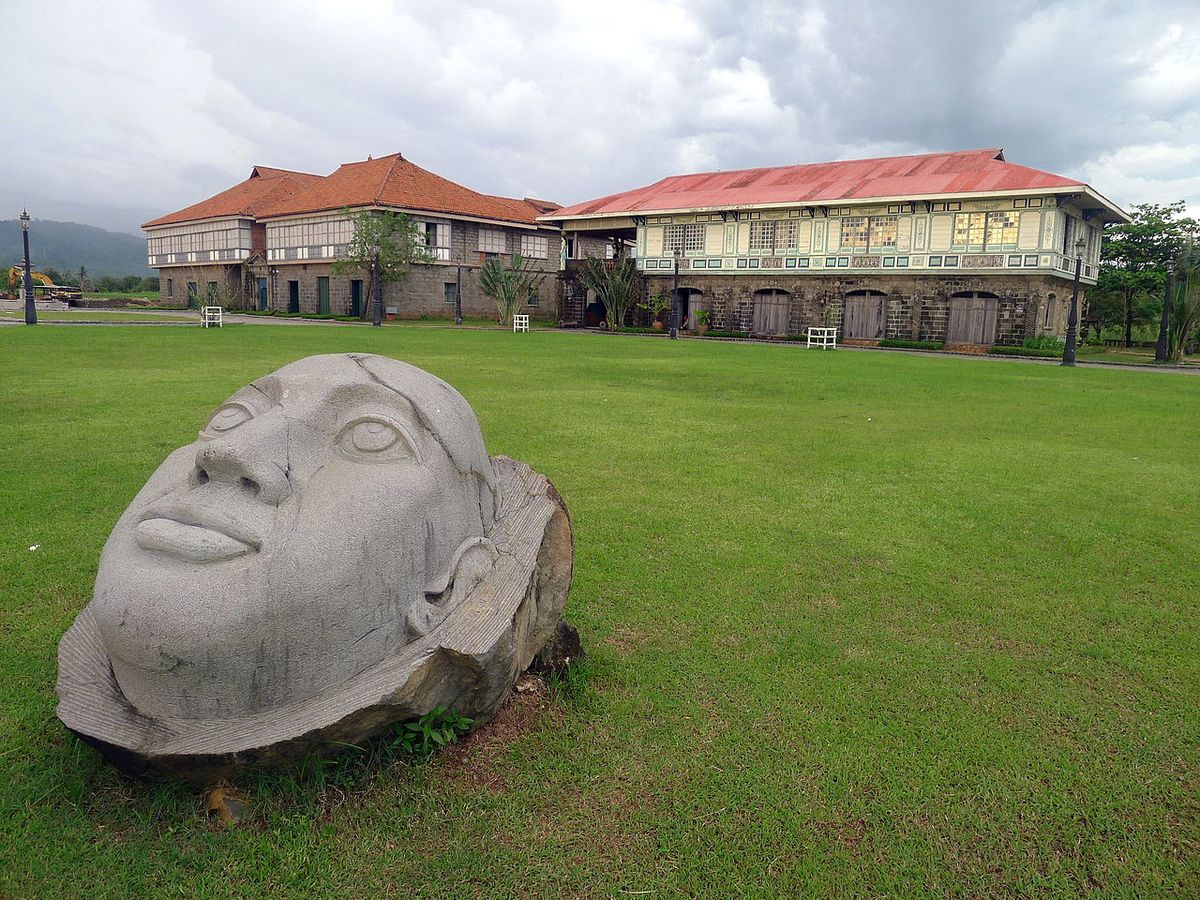
Las Casas Filipinas de Acuzar in Bagac, Bataan, is a heritage resort unlike any other in the Philippines — a collection of Spanish colonial-era houses and buildings painstakingly dismantled from locations across the archipelago and reassembled on the shores of the South China Sea. Each structure carries centuries of history within its walls, and according to guests and staff, some of those histories refuse to remain in the past.
The most commonly reported phenomenon is the phantom knocking. Guests staying in the restored bahay na bato — traditional stone-and-wood houses dating from the 18th and 19th centuries — describe being awakened in the night by deliberate, rhythmic knocking on their bedroom doors. When they open the door, the corridor stands empty. The knocking sometimes continues from inside the walls themselves, moving from one corner of the room to another as if someone trapped within the structure is trying to find a way out.
Flickering lights are another persistent occurrence, though the resort's modern electrical systems have been thoroughly inspected. Staff members have noted that the disturbances tend to concentrate in specific houses — particularly those that were relocated from provinces with histories of violence during the Japanese occupation or the Philippine Revolution. The theory among resort employees is that the act of uprooting these structures disturbed the spirits attached to them, and that the reassembly created a kind of supernatural convergence point.
In Filipino belief, old houses carry the presence of their former inhabitants. The concept of "anito" — ancestral spirits who remain connected to the physical spaces they occupied in life — is deeply embedded in pre-colonial Philippine spirituality. At Las Casas, where dozens of ancestral homes now stand side by side in a location none of them originally occupied, the spiritual geography has been fundamentally rewritten.