La Llorona (The Weeping Woman) is one of the most powerful and enduring legends in the Americas, deeply embedded in Mexican culture and widespread across Latin America and the Hispanic communities of the United States. The core legend tells of a beautiful woman — in most versions named María — who drowns her children in a river, either in a fit of rage after her husband's infidelity or in a misguided attempt to be with a man who does not want children. Upon realizing what she has done, she is consumed by grief and takes her own life. She is condemned to wander the waterways for eternity, weeping and searching for her lost children. The legend's origins are complex and likely predate the Spanish conquest. Aztec mythology includes the figure of Cihuacoatl, a weeping goddess who appeared in white robes at night, crying for her children — one of the eight omens said to have foretold the fall of the Aztec Empire. The Spanish colonial period fused this indigenous tradition with European stories of ghostly women and the Catholic concept of purgatorial wandering, creating the La Llorona legend as it is known today.
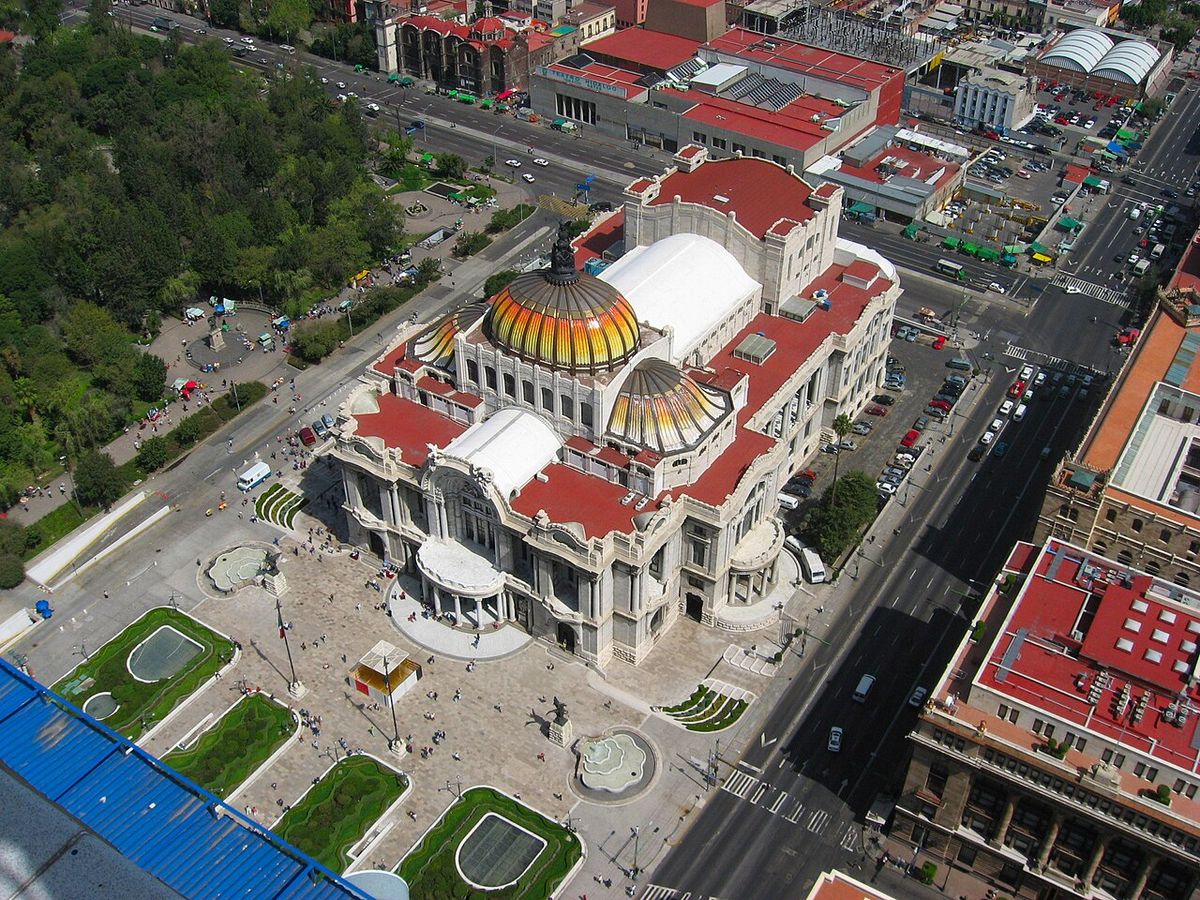
Wikimedia Commons (CC BY-SA 2.5) — Jeses
La Llorona — The Weeping Woman of Mexican Folklore (Origins)
Folklore & LegendsOther LegendUnverified
19.4326°N, 99.1332°W
Location
Mexico City, Mexico
Discussion
Loading comments...