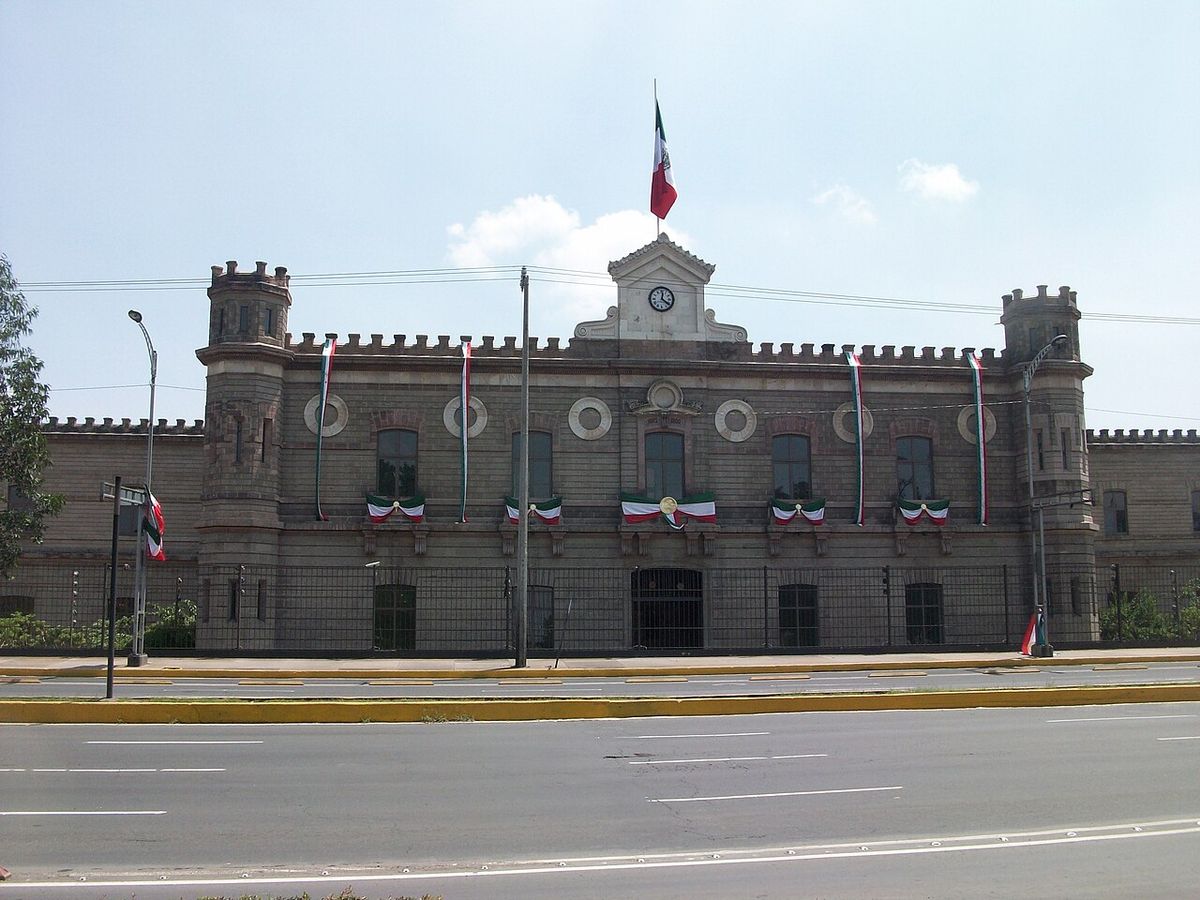
The Palacio de Lecumberri in Venustiano Carranza, Mexico City, was built in 1900 as a state-of-the-art prison based on panopticon design principles. For 76 years, until its closure in 1976, the prison held Mexico's most dangerous criminals alongside political dissidents, journalists, and artists who challenged the ruling regime. The prison was notorious for corruption, violence, and overcrowding. Among its famous inmates were muralist David Alfaro Siqueiros, novelist José Revueltas, and railway union leader Demetrio Vallejo.
The building is now the Archivo General de la Nación (National Archives), but its prison identity endures. Staff describe what they term an intelligent haunting — the entities seem aware of and responsive to the living. Archivists working late report hearing cell doors slamming, footsteps pacing in the former cell blocks, and voices that respond when spoken to. Some describe seeing prisoners in 1960s-era clothing in the corridors, and one persistent report describes a prisoner who appears to be writing on the wall of his former cell.
The building's distinctive circular watchtower, designed so a single guard could observe all the cells, gives it an architectural character that amplifies the sensation of being watched.