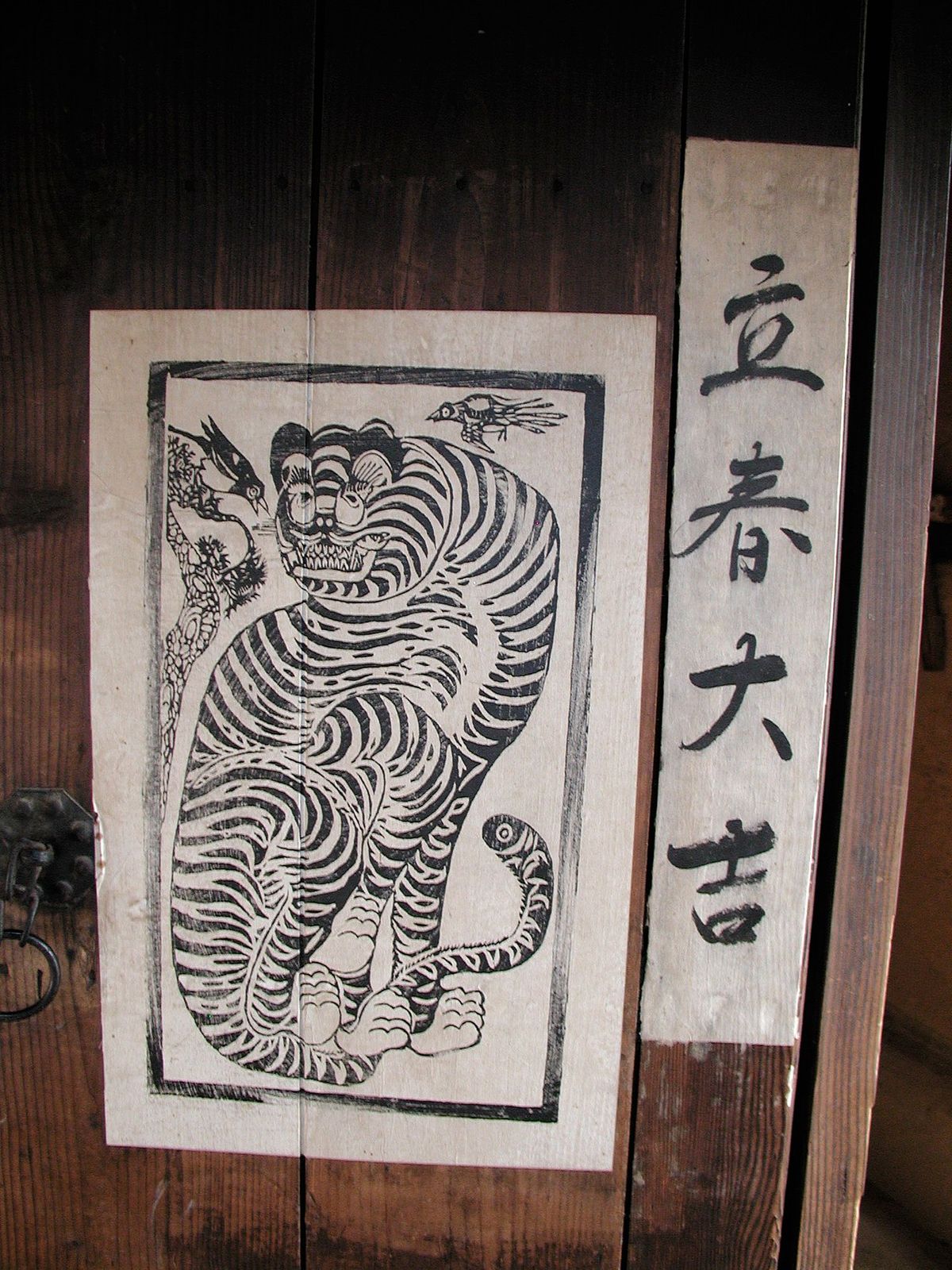
The Korean Folk Village in Yongin, Gyeonggi Province, is South Korea's most popular cultural tourist attraction, recreating traditional Korean life with historic buildings, crafts demonstrations, and performances. Despite — or perhaps because of — its educational purpose, the folk village has been the subject of ghost reports from staff and visitors. The recreated traditional houses, which include thatched-roof farmhouses, yangban (aristocratic) mansions, and a Buddhist temple, are said to be haunted by spirits connected to the original buildings or to the traditions they represent. Staff working late have described hearing traditional Korean music — gayageum (zither) and daegeum (flute) — playing from empty buildings, seeing figures in hanbok (traditional clothing) who are not fellow employees, and experiencing cold spots in the older structures.
In Korean traditional belief, ancestral spirits (조상, josang) are deeply connected to the spaces where they lived, and the recreation of traditional spaces may attract these spirits. The folk village's location in the rolling hills south of Seoul, surrounded by agricultural land and forests, creates a setting that feels genuinely timeless when the tourist crowds depart and evening settles over the traditional rooftops.