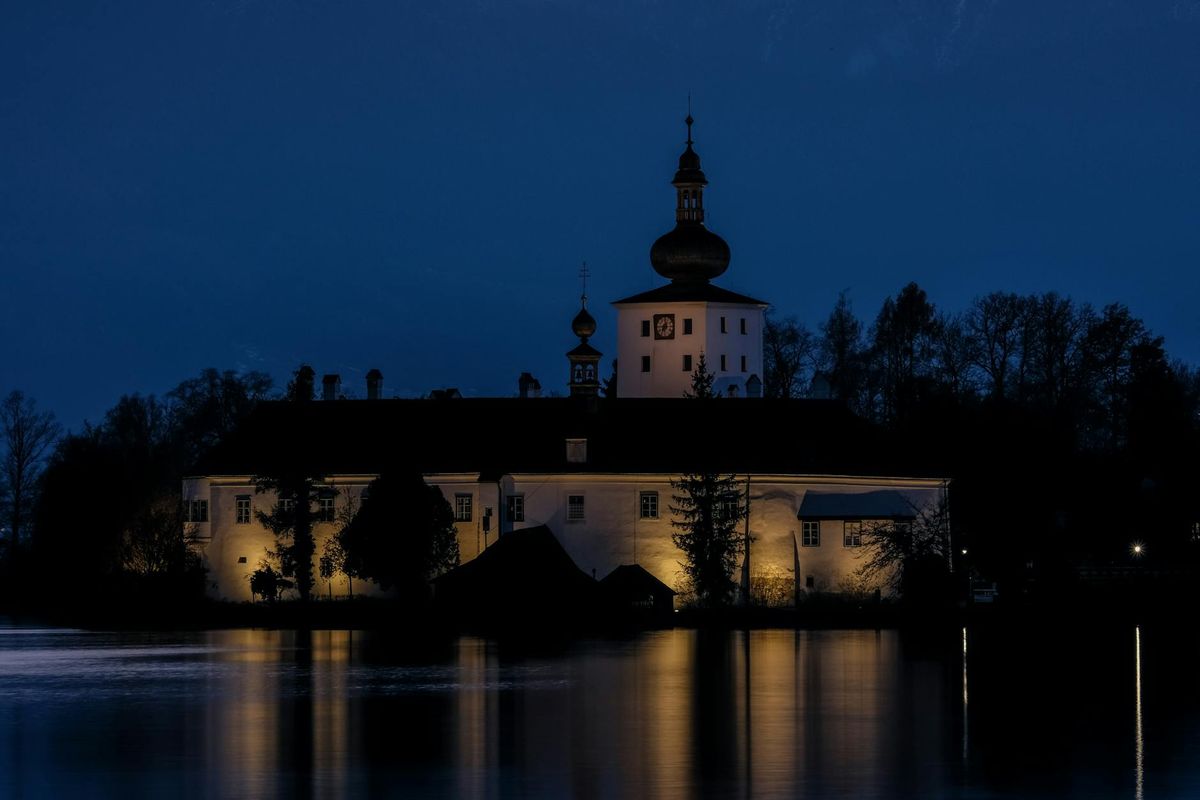
Jarquín, a small store in the village of Mietchulán in rural Oaxaca, is haunted by the ghost of its former anonymous owner. The shopkeeper's apparition reportedly appears behind the counter, arranging goods and seemingly conducting business as usual — visible to some customers while invisible to others. Those who see him describe an elderly man in plain clothing who goes about his routine with methodical care before fading from view. Other phenomena include hearing the old-fashioned sounds of a store in operation — the ringing of a mechanical cash register, the clink of coins, and conversation with invisible customers.
In rural Oaxaca, where indigenous Zapotec and Mixtec traditions remain strong, the idea that the dead continue their life's routines is consistent with the broader Mesoamerican understanding of death as a continuation rather than an ending. The annual Día de los Muertos celebrations in Oaxacan villages like Mietchulán are among the most elaborate in Mexico, with families building altars and preparing food to welcome their dead relatives home. The Jarquín shopkeeper's ghost fits naturally into this cultural framework — he is simply a community member who continued showing up for work.