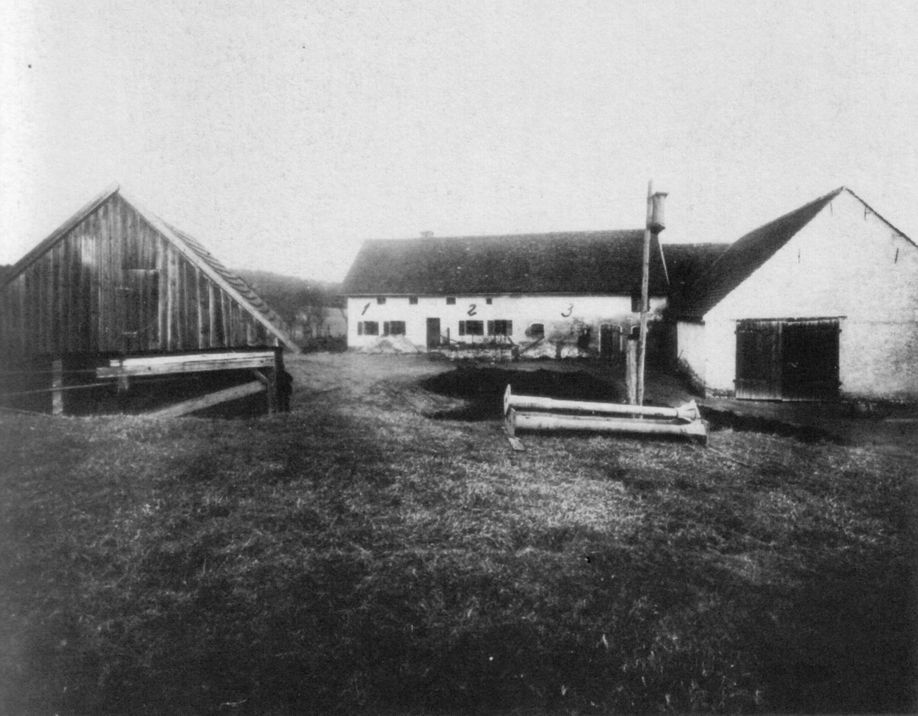
Hinterkaifeck was a small farmstead located between the villages of Ingolstadt and Schrobenhausen in the rural district of Upper Bavaria, Germany. It was home to the Gruber family: sixty-three-year-old farmer Andreas Gruber, his seventy-two-year-old wife Cäzilia, their thirty-five-year-old widowed daughter Viktoria, Viktoria's two children — seven-year-old Cäzilia and two-year-old Josef — and a newly hired maid, forty-four-year-old Maria Baumgartner, who had arrived only hours earlier. On the evening of March 31, 1922, all six were killed in a concentrated and deliberate attack on the farm.
In the days leading up to the murders, Andreas Gruber had reported unsettling anomalies around the farm. Footprints in the snow led from the edge of the forest to the house, but none led back. Someone had evidently been living in the attic — food had been disturbed, and Andreas reported hearing movements overhead. A set of house keys had gone missing and a newspaper the family had never purchased appeared in the kitchen. The family did not report these events to the police.
On Sunday morning, April 2, neighbors became concerned that none of the Grubers had appeared at church or at school. Two men visited the farm and found four of the family — Andreas, Cäzilia the elder, Viktoria, and the small Cäzilia — dead in the barn, killed by blows from a mattock. The other two, Josef and Maria Baumgartner, were in the main house, killed the same way. The killer had evidently remained at the farm for several days after the murders: fires had been lit, livestock had been fed, and meals had been eaten.
More than one hundred suspects were investigated over the following century without success. The case files were closed formally in 1955 after failing to produce a conviction. The Hinterkaifeck massacre remains the most infamous unsolved crime in twentieth-century Bavaria, and has entered folk consciousness as an archetype of rural violence hidden in plain sight.