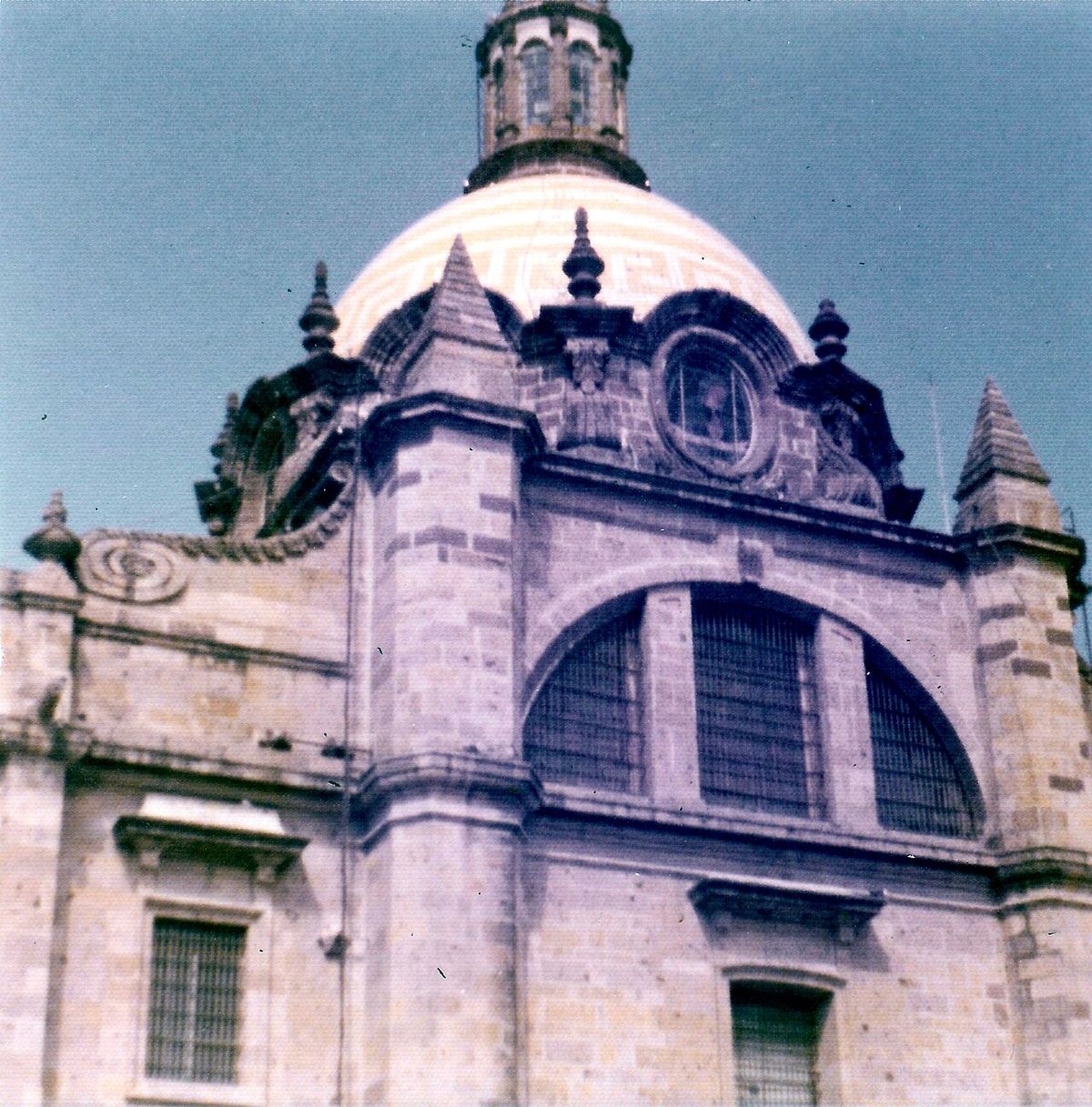
Guadalajara Cathedral, built beginning in 1618, is one of the most important churches in western Mexico. The cathedral keeps the remains of a 17th-century archbishop in a glass case, and this preservation of the dead within a place of worship has generated its own supernatural legends. Staff and worshippers report hearing a phantom choir singing during off-hours when no services are scheduled, seeing robed figures processing through the nave at night, and experiencing cold spots near the archbishop's remains.
The cathedral's twin towers, its mixture of Gothic, Baroque, and neoclassical architectural styles, and its central location in Guadalajara's historic centre make it a prominent landmark. Some visitors describe feeling a powerful spiritual presence in the cathedral that goes beyond the normal solemnity of a church — a watchful intelligence that seems to evaluate those who enter. The Mexican Catholic tradition of preserving and displaying the bodies of saints and religious figures is connected to both European relic veneration and the pre-Columbian Mesoamerican practice of mummification and ancestor worship.
The cathedral exists at the intersection of these traditions, and its supernatural phenomena may draw from both.