Zona Heaster Shue was a young woman of Greenbrier County, West Virginia who married Edward Stribbling 'Trout' Shue, a blacksmith newly arrived in the community, in the autumn of 1896. On January 23, 1897, Shue was found dead on the floor of their Livesay Mill cabin by a young errand boy sent by Edward. She was twenty-four years old. By the time the family physician Dr. George W. Knapp arrived, Edward had already dressed Zona's body for burial in a high-collared dress with a large ruffled scarf wound around her neck, and had cradled her head and refused to permit the doctor to examine her. Dr. Knapp listed the cause of death initially as 'everlasting faint,' and later amended it to complications of childbirth.
Zona's mother, Mary Jane Heaster, never accepted the circumstances. Over the following weeks she prayed for her daughter's spirit to return and reveal what had happened. According to her later sworn testimony, Zona's ghost appeared to her on four consecutive nights. The apparition described being murdered: Edward, in a fit of rage over dinner, had broken her neck. The ghost demonstrated the injury by slowly turning her head all the way around to face her mother.
Mary Jane took the testimony to the county prosecutor John Alfred Preston. Though skeptical, Preston ordered Zona's body exhumed. A coroner's examination found that her neck had indeed been broken and her windpipe crushed, injuries consistent with violent manual strangulation. Edward Shue was indicted for murder. At the trial in June and July 1897, Mary Jane took the witness stand and recounted her daughter's ghostly visits under oath. Though the testimony was legally peripheral, it was reported by every major newspaper in the region.
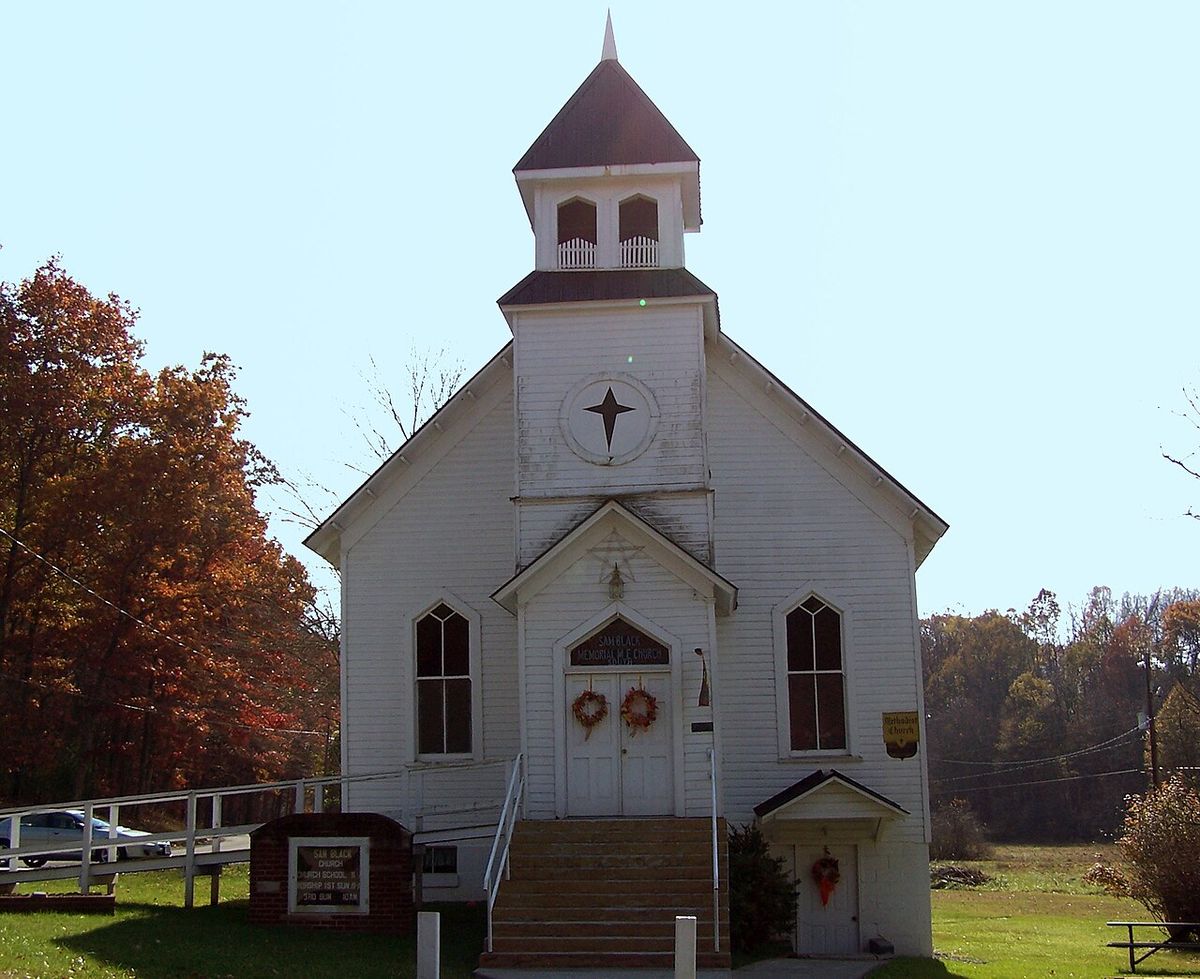
Edward Shue was convicted by a jury of eleven to one and sentenced to life imprisonment. He died in the West Virginia Penitentiary in 1900. The Greenbrier Ghost remains the only murder case in the history of United States jurisprudence in which a ghost's testimony helped convict a defendant, and a state historical marker on Route 60 commemorates the story.