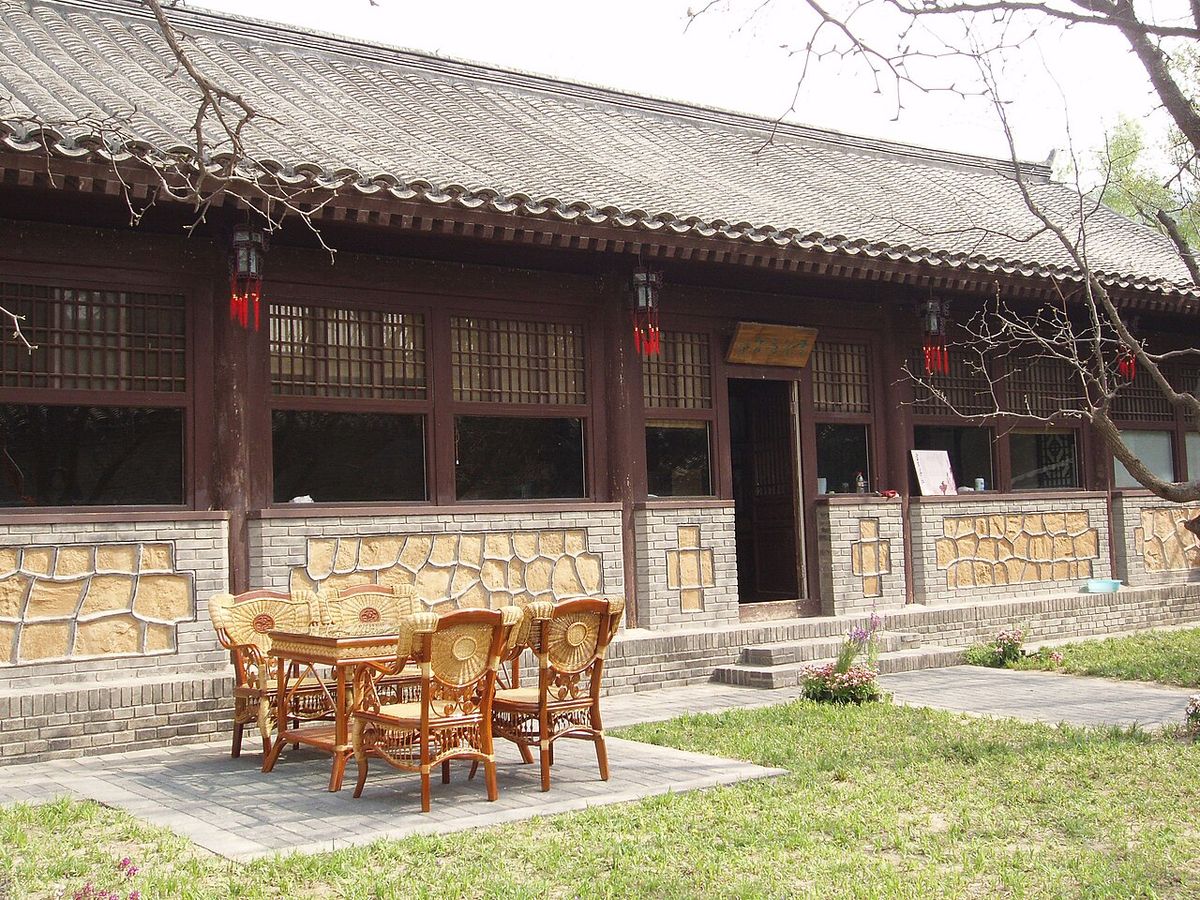
The Former Residence of Cao Xueqin in Beijing is a memorial site associated with the Qing dynasty writer who authored 'Dream of the Red Chamber' (Hongloumeng), one of the Four Great Classical Novels of Chinese literature. Cao Xueqin lived in poverty during his later years, writing his masterwork in a small dwelling while struggling with illness and the memory of his family's fall from grace. He died around 1763 or 1764, leaving his novel unfinished.
The site attributed to his residence has been associated with EVP recordings and other paranormal phenomena. Visitors have reported hearing the sound of brush strokes on paper — as though someone is writing with a traditional Chinese calligraphy brush — in the empty rooms. Some visitors describe the scent of Chinese ink and the feeling of a melancholy, creative presence in the study area.
The connection between Cao Xueqin's unfinished masterpiece and his restless spirit is a powerful one in Chinese literary culture — the idea that the great novelist continues to write beyond death, trying to complete the work that consumed his final years. 'Dream of the Red Chamber' itself is preoccupied with themes of impermanence, illusion, and the spiritual world, making Cao Xueqin's ghost particularly fitting.