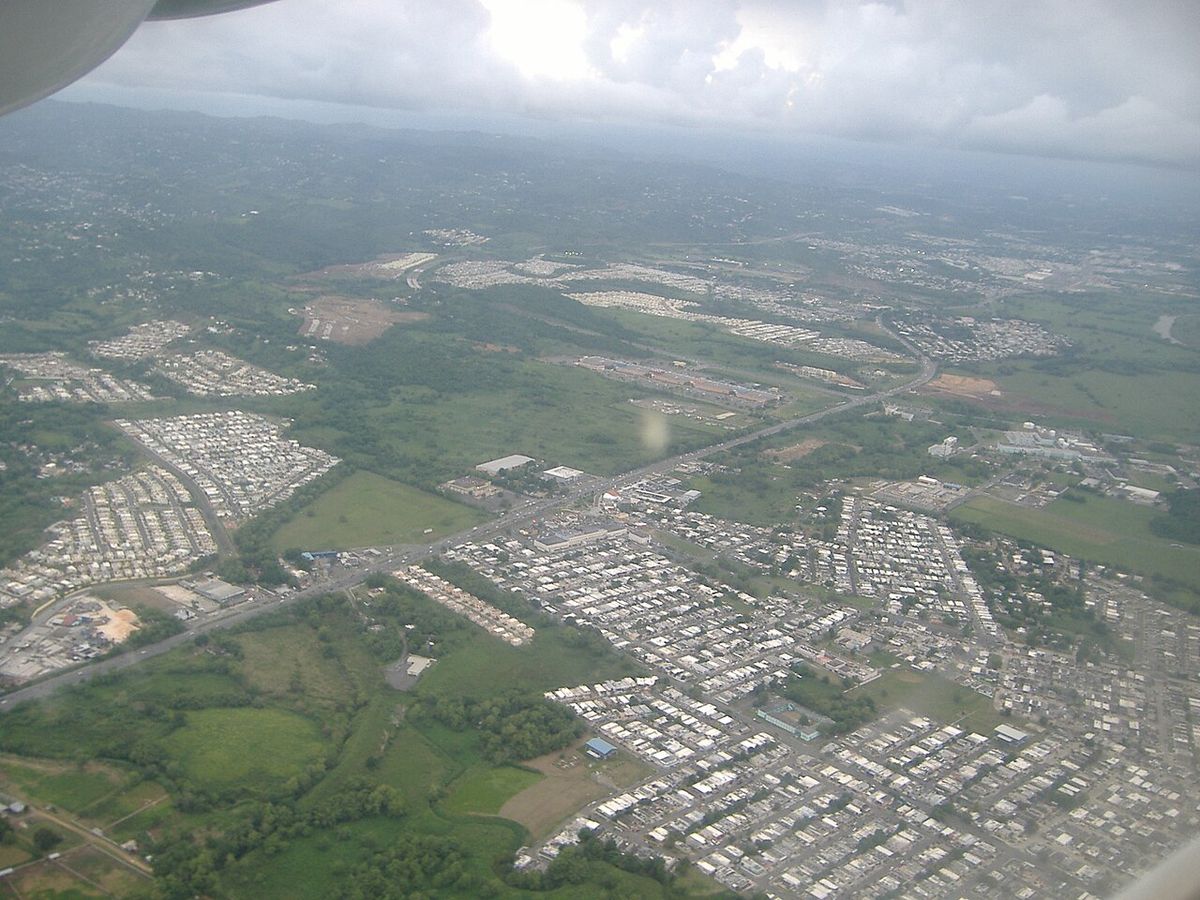
Beginning in March 1995, farmers in the town of Canóvanas in northeastern Puerto Rico — about twenty kilometres east of San Juan on the edge of El Yunque National Forest — discovered domestic animals dead in their pens under strange circumstances. Sheep, goats, chickens, and ducks were found with their bodies drained of blood through two or three puncture marks in the neck or chest, and in many cases with their internal organs apparently absent. Over the months that followed, hundreds of livestock deaths were reported across the island, and the attacks spread into neighboring agricultural towns.
Canóvanas mayor José 'Chemo' Soto organized nightly posses armed with machetes and rifles, leading reporters and curious residents into the hills on unsuccessful hunts for the creature. Witnesses who claimed to have seen it described something approximately three to four feet tall, standing on two legs, with a lizard-like body, leathery greenish-gray skin, large glowing red eyes, and a row of spines running down its back. Puerto Rican comedian and commentator Silverio Pérez coined the name 'chupacabra' — 'goat-sucker' in Spanish — which spread across the island's press and from there into global media.
Within two years, reports of livestock killings attributed to the chupacabra had spread across Latin America, the southwestern United States, and as far as Russia. Police and veterinarians who examined the carcasses generally attributed most killings to feral dogs, coyote-canid hybrids, mongooses, or other known predators, but the initial Puerto Rican wave remained unresolved; Madelyne Tolentino's original 1995 description is widely regarded as the foundational modern encounter.
The Canóvanas chupacabra is a uniquely twentieth-century creation, born of late-night radio call-in shows, Puerto Rican tabloid photography, and the early internet, and now holds a permanent place in global cryptid folklore. It is the newest major cryptid to achieve worldwide recognition since Bigfoot and the Jersey Devil.