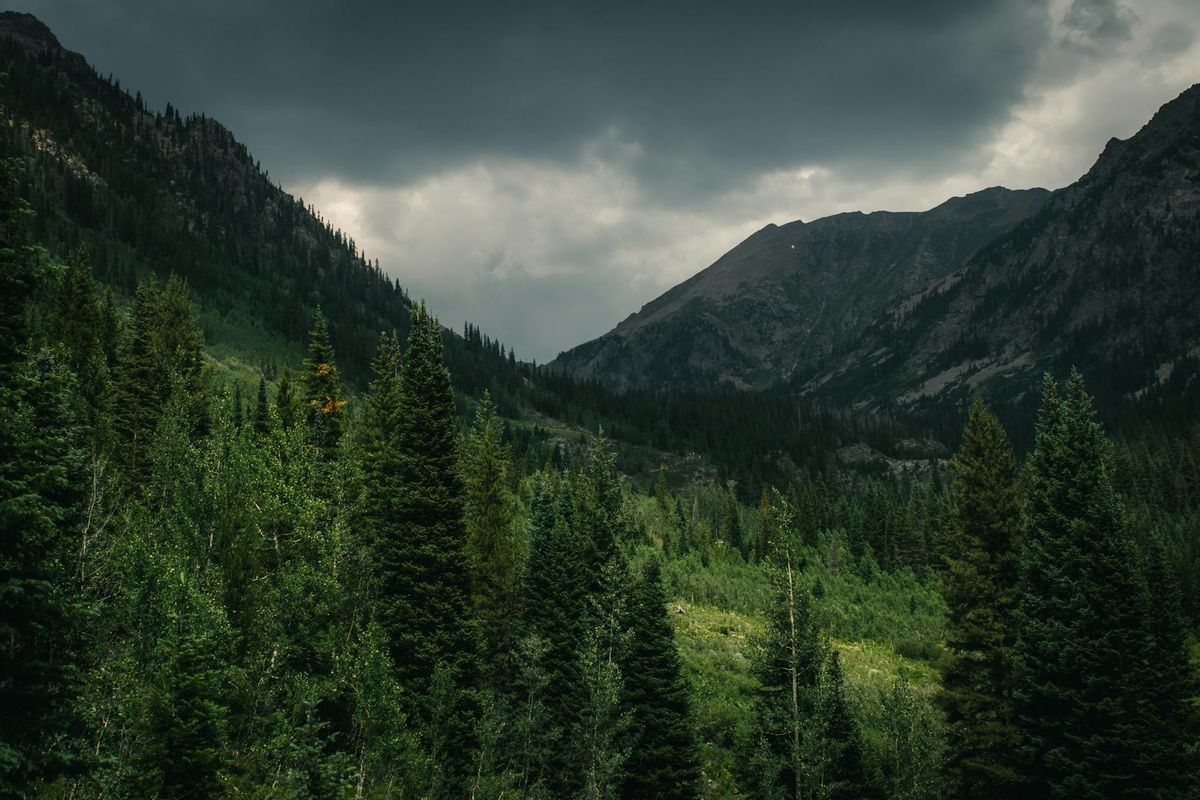
In August 1958, Gerald 'Jerry' Crew, a bulldozer operator working on a road construction project in the remote Bluff Creek area of Humboldt County, California, discovered enormous humanoid footprints in the mud around his equipment. The prints measured approximately sixteen inches long and showed clear toe impressions. Crew and his fellow workers had been finding such tracks for weeks — equipment was being moved overnight, and massive footprints appeared around the work site each morning. When Crew made plaster casts of the prints and brought them to the Humboldt Times in Eureka, reporter Andrew Genzoli published the story on October 5, 1958, coining the name 'Big Foot' in his column.
The story went national via wire services and ignited the modern Bigfoot phenomenon. The Bluff Creek logging road was located in some of the most rugged wilderness in Northern California, deep in the Klamath Mountains along the border of Humboldt and Del Norte counties. Years later, after the death of construction contractor Ray Wallace in 2002, his family claimed he had faked the footprints using carved wooden feet. However, several researchers have disputed this claim, noting that the prints showed anatomical features — such as dermal ridges and a midtarsal break — that they argue could not have been produced by crude wooden stompers.