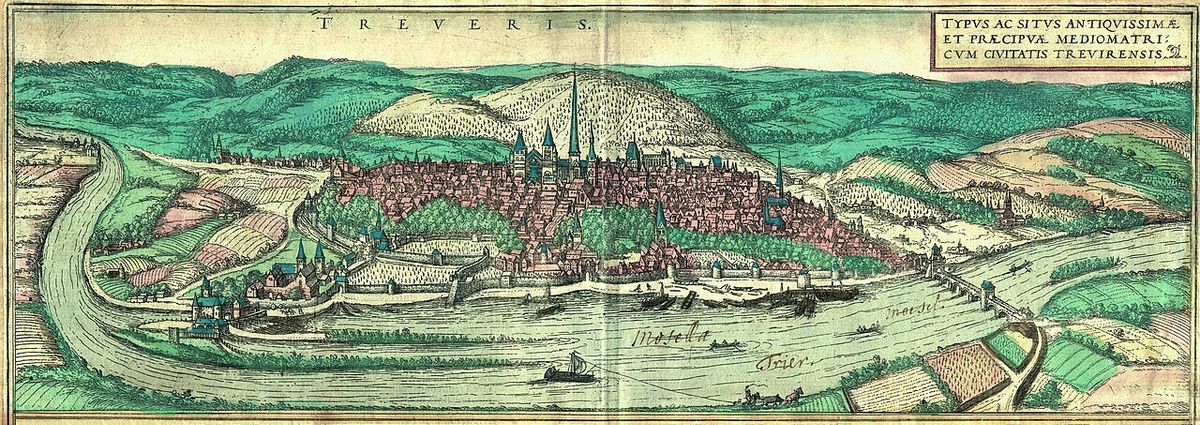
The witch trials in the Electorate of Trier between 1581 and 1593 represent one of the most extreme episodes of witch persecution in European history. Under the leadership of Archbishop Johann von Schönenburg, the persecution reached such intensity that entire villages were virtually depopulated. In two villages, only two women survived.
The trials consumed people from all levels of society — peasants, merchants, priests, and even judges who showed reluctance to convict were themselves accused. The most notorious individual prosecutor was Dietrich Flade, the chief judge of the electoral court, who was himself accused of witchcraft and burned at the stake in 1589 after initially resisting the escalating persecution. His fate served as a terrifying warning to anyone who might oppose the trials.
The Trier persecution is estimated to have killed approximately 368 people between 1581 and 1593, making it one of the deadliest witch trial episodes in European history. The trials were driven by a combination of factors: crop failures caused by the Little Ice Age, political competition among factions at the electoral court, and the fervent demonological beliefs of the archbishop and his advisors.