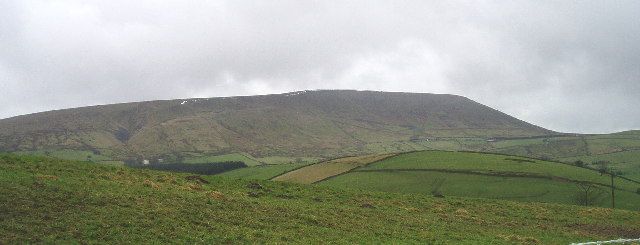
The Pendle witch trials of 1612 are the most famous witch trials in English history and among the best documented, thanks to the detailed court record published by Thomas Potts, clerk of the court, in his 'The Wonderfull Discoverie of Witches in the Countie of Lancaster.' The affair began in March 1612 when Alizon Device, a young beggar from the poverty-stricken Forest of Pendle in Lancashire, was accused of causing a pedlar to have a stroke through witchcraft. The investigation spiraled outward to encompass two rival families — the Devices and the Chattoxes — who had long been suspected of practicing cunning craft. Under interrogation, family members accused each other and additional suspects, producing a cascade of allegations. Eleven people were tried at Lancaster Assizes in August 1612; ten were found guilty and hanged.
The Pendle trials are notable for the detailed confessions recorded, which describe meetings of witches, the keeping of familiar spirits (including a dog named Ball and a brown dog named Dandy), and alleged murders by witchcraft spanning two decades. The trial reveals the complex interplay of poverty, family feuds, folk magic, and official persecution that characterized English witchcraft cases.