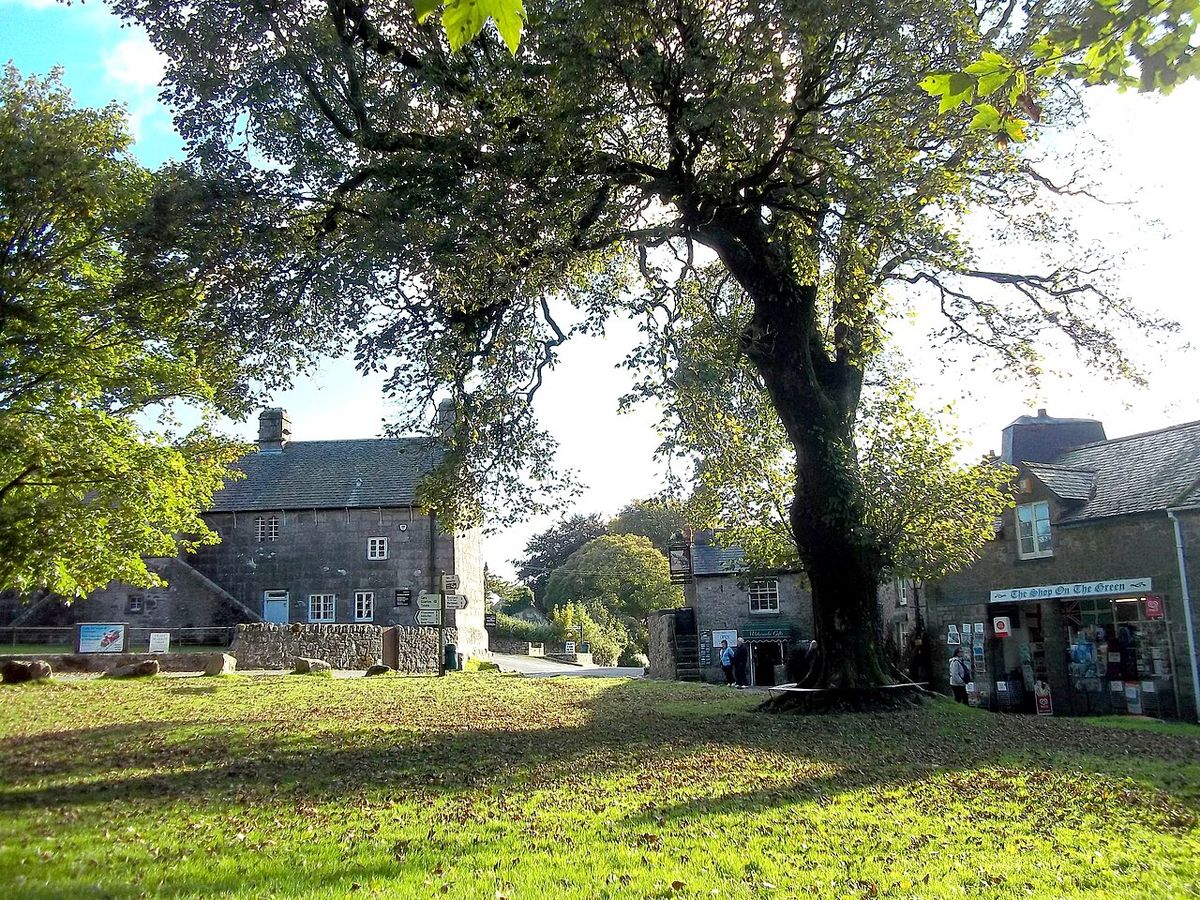
On October 21, 1638, during a severe thunderstorm, a large ball of fire reportedly struck the tower of the Church of St. Pancras in Widecombe-in-the-Moor, a village on Dartmoor in Devon, England. According to contemporary accounts, the fireball smashed through the church roof and bounced through the packed congregation, killing four people and injuring approximately sixty others.
The church tower was badly damaged, large stones were hurled into the building, and the interior was filled with sulfurous smoke and the smell of brimstone. One account describes the fireball splitting into two, with one part breaking through a window and the other continuing to ricochet around the interior. The event was widely attributed to divine punishment at the time — a pamphlet published shortly afterward suggested the Devil himself had visited the church. Modern researchers consider the Widecombe incident one of the earliest well-documented cases of destructive ball lightning, though some aspects of the account (particularly the sulfurous smell and the precise targeting of the church) have led others to classify it as a conventional lightning strike with pyrotechnic effects.