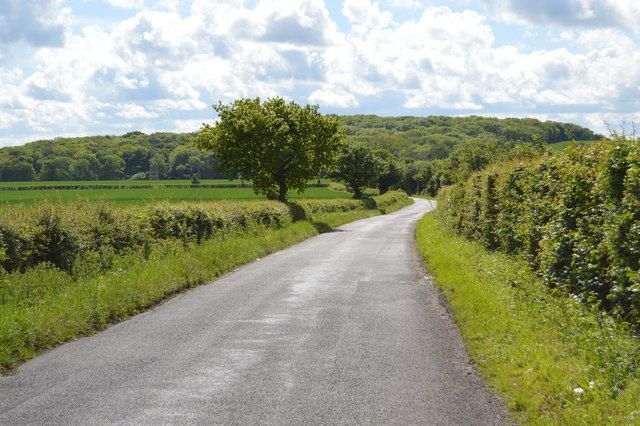
A 2002 survey conducted by researchers studying folk belief in the British Isles found that a surprisingly high percentage of rural residents in Celtic regions still held some form of fairy belief — not necessarily a literal conviction that fairies exist, but a strong reluctance to disturb fairy-associated sites or dismiss fairy traditions entirely. In Ireland, builders continued to route construction projects around lone hawthorn trees (fairy trees), and in parts of Wales, Scotland, and Cornwall, locals maintained traditions of leaving small offerings at ancient sites. The research documented multiple contemporary accounts of perceived fairy activity, including unusual lights, strange sounds near standing stones and burial mounds, and a pervasive sense that certain landscapes possessed an intelligence or awareness. Anthropologists have characterized this as 'enchanted modernity' — a worldview that maintains space for the numinous alongside scientific understanding.
The persistence of fairy belief in the 21st century challenges simplistic narratives about the decline of superstition and suggests that these traditions serve deep psychological and cultural functions.