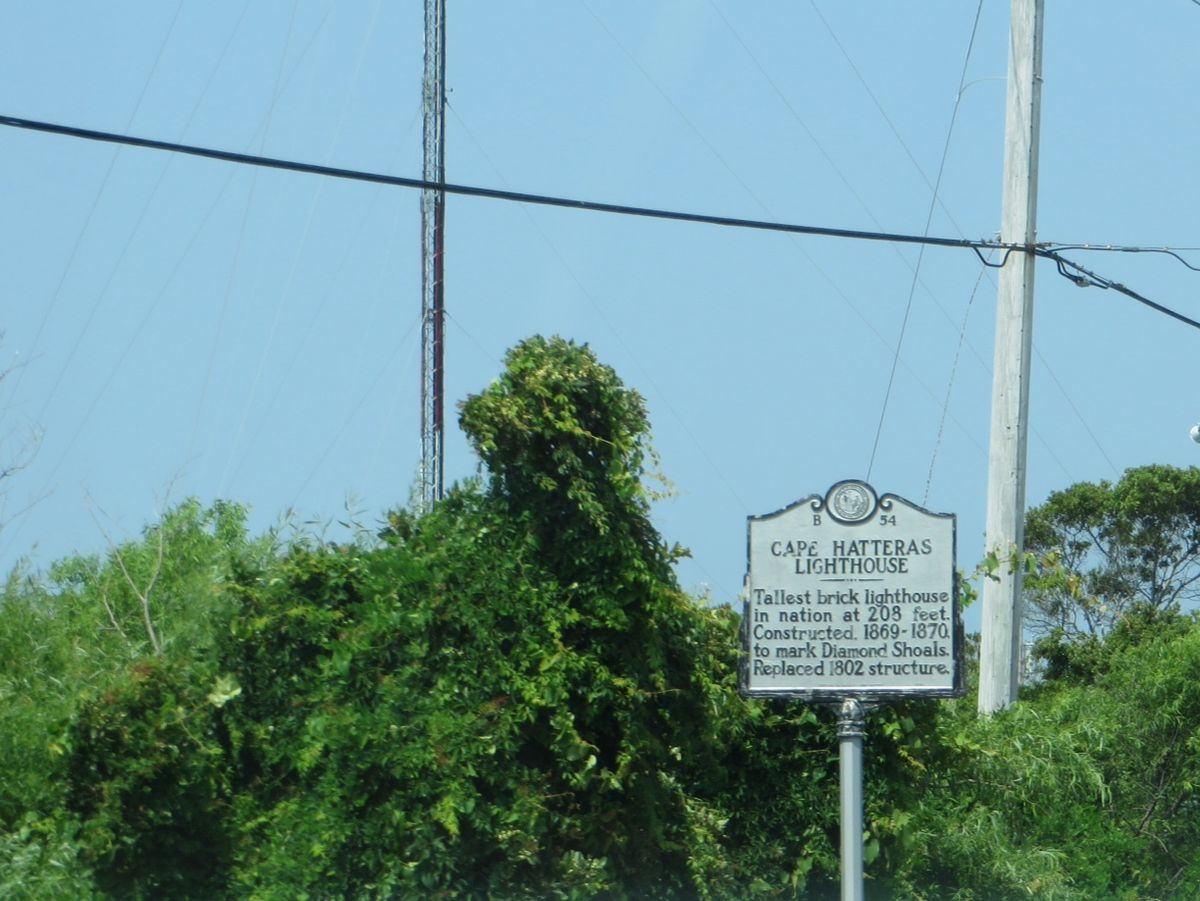
On January 31, 1921, the five-masted commercial schooner Carroll A. Deering was found hard aground on Diamond Shoals off Cape Hatteras, North Carolina — one of the most dangerous stretches of coastline in the world, known as the 'Graveyard of the Atlantic.' When Coast Guard investigators boarded the vessel, they found it completely abandoned. The lifeboats were gone, the crew's personal effects and navigation equipment were missing, and the ship's log had been removed. However, food was being prepared in the galley — pots of soup and coffee sat on the stove, and the table in the crew's quarters was set for the next meal.
The steering gear was damaged, and the anchors had been dropped, suggesting the ship had been deliberately stopped before being abandoned. All eleven crew members had vanished without a trace. The investigation became one of the most extensive maritime inquiries in U.S. history, involving the Commerce Department, FBI, Treasury Department, and State Department. Theories ranged from mutiny to piracy (rum-running was rampant during Prohibition) to Soviet espionage.
The investigation was eventually closed in 1922 without resolution. The Carroll A. Deering case is sometimes cited alongside the Bermuda Triangle phenomenon, though the ship was found well north of the traditional triangle boundaries.