Long before Western mountaineers encountered mysterious footprints in the Himalayan snow, the peoples of the region maintained rich and complex traditions regarding large, ape-like beings inhabiting the high mountains. The Sherpa people of Nepal describe the Yeti as a powerful, reclusive creature of the alpine zone, generally avoiding humans but capable of great aggression when threatened. Tibetan Buddhist texts reference creatures called 'Mi-go' (wild men) as early as the fourteenth century, and monastery records contain accounts of encounters between monks and large, hairy humanoids at high altitudes. The Lepcha people of Sikkim describe a glacier-dwelling being called 'Chu Mung,' and the people of the Arunachal Pradesh region of India speak of 'Bun Manchi.' In Bhutan, the creature is known as the Migoi and is considered so real that it features on postage stamps and has been the subject of government wildlife protection discussions. The consistency of these traditions across vastly different Himalayan cultures — Tibetan, Nepalese, Sikkimese, Bhutanese, and Indian — is often cited by proponents as evidence that the accounts describe encounters with a real, if rare, animal rather than a shared myth. The Himalayas encompass millions of acres of terrain above ten thousand feet that have never been thoroughly explored, and new species of large mammals have been discovered in the region as recently as the 1990s.
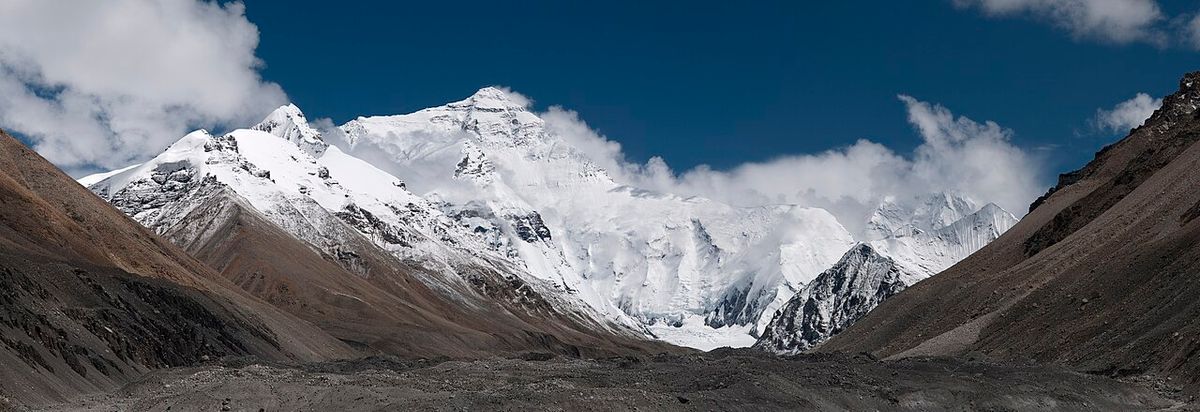
Wikimedia Commons (CC BY-SA 3.0) — User:Ggia
Pre-Modern Yeti Traditions in Himalayan Culture
CryptidsYetiHistorical
27.9857°N, 86.9163°E
Location
Himalayas, Nepal and Tibet
Discussion
Loading comments...