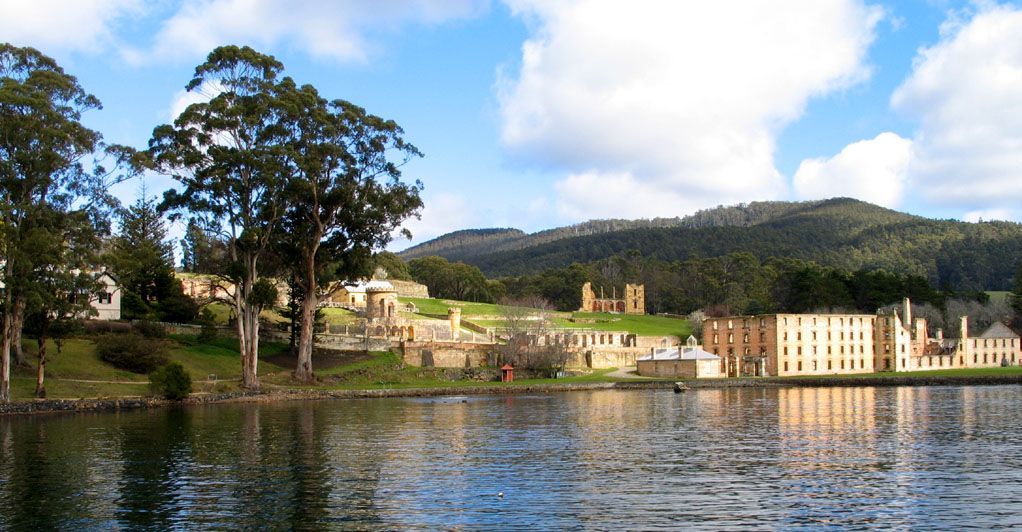
Port Arthur, on Tasmania's southeast coast, operated as a British penal settlement from 1830 to 1877, receiving some 12,500 convicts and developing into one of the nineteenth century's most sophisticated punishment complexes — incorporating the Separate Prison (based on the silent-solitary Pentonville model), a boys' reformatory at Point Puer, asylums for the criminally insane, and a coal mine at Saltwater River where the most recalcitrant prisoners were sent to quarry by hand. More than 1,100 convicts, officers, and children died on the peninsula, and the site's ruins are today a UNESCO World Heritage component of the Australian Convict Sites.
Port Arthur's reputation as the most haunted location in Australia predates its 1877 closure. The Parsonage, the Commandant's Cottage, the Junior Medical Officer's residence, the Asylum, and — most notably — the Separate Prison each have specific, well-documented paranormal traditions. Guides and night-tour attendees regularly report cold spots, apparitions of figures in nineteenth-century uniform, the voices of children at Point Puer (where more than fifty boys are buried in unmarked graves), and in the Separate Prison the sound of pacing and muted weeping in the sound-proofed cells where inmates were kept in total silence for up to twenty-three hours a day. Former site administrator Jackie Ritchie documented more than 2,000 paranormal incidents during her thirty years of work.
Port Arthur's ghost tradition is further darkened by the April 28, 1996 mass shooting in which 35 people were killed on the site grounds by a lone gunman — the deadliest shooting in modern Australian history. Subsequent reports from the Broad Arrow Café (where most of the 1996 victims died and which is now a memorial) include additional apparitions associated with that event layered over the older convict-era activity. The Port Arthur Ghost Tour, operating nightly since 1990, remains one of the most thoroughly-documented paranormal tours in the Southern Hemisphere.