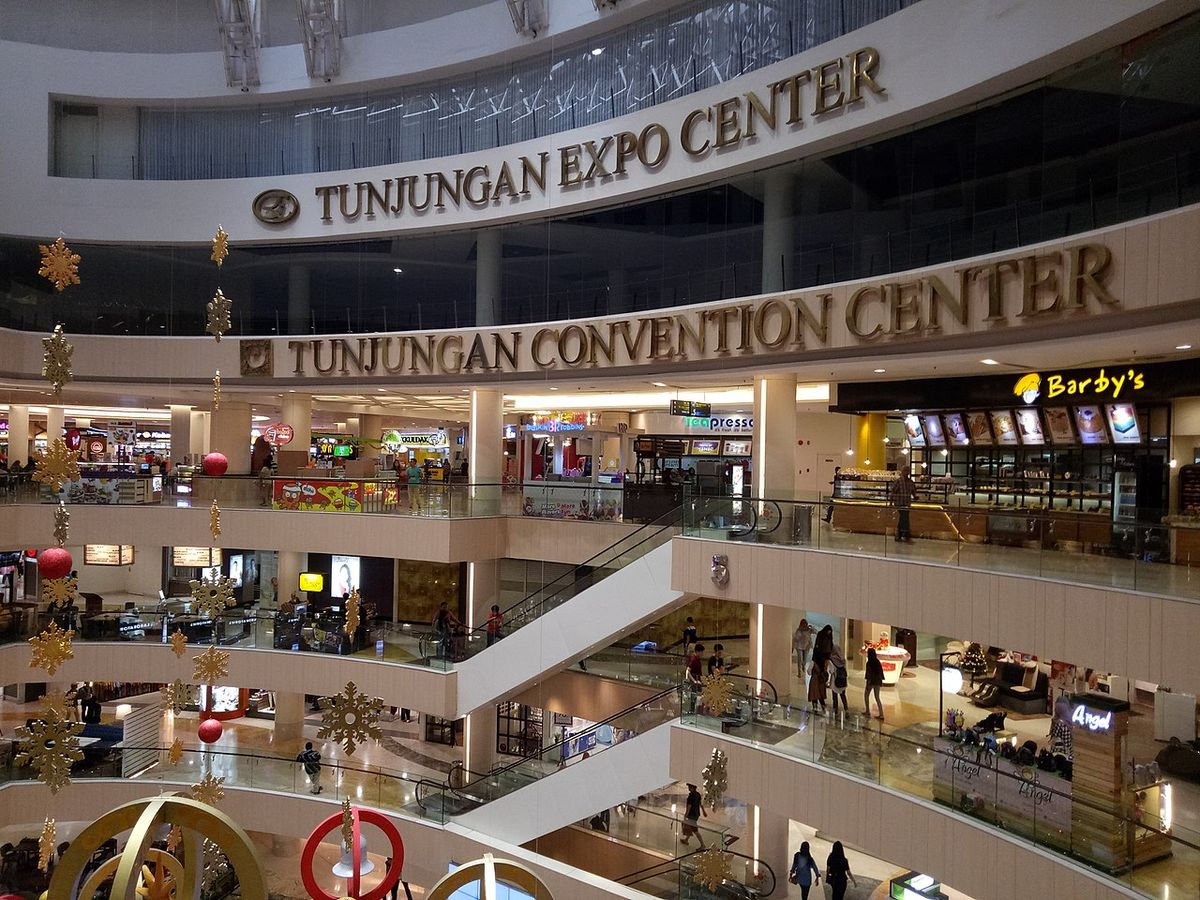
Plaza Surabaya, one of the earliest shopping malls in Surabaya, East Java, was built on the site of a wartime hospital known as the 'Hospital of Death' during the Japanese occupation (1942-1945). The building served as a military hospital where Indonesian, Dutch, and Allied prisoners were treated — or, according to many accounts, experimented upon. The Japanese military's use of the facility as a site of medical experimentation and torture has left what locals believe to be a deep spiritual wound on the location. Since the mall's construction, shoppers and workers have reported seeing figures in wartime clothing walking through the corridors after closing, hearing moaning and screaming from the lower levels, and experiencing cold spots in specific areas of the building — areas that correspond to the former hospital's wards and operating rooms.
Some shops within the mall have reportedly experienced persistent equipment failures and stock disturbances. The contrast between the cheerful commercialism of a modern shopping mall and the horror of what occurred on the same ground creates a uniquely Indonesian form of haunting, where consumer culture and war memory coexist uneasily.