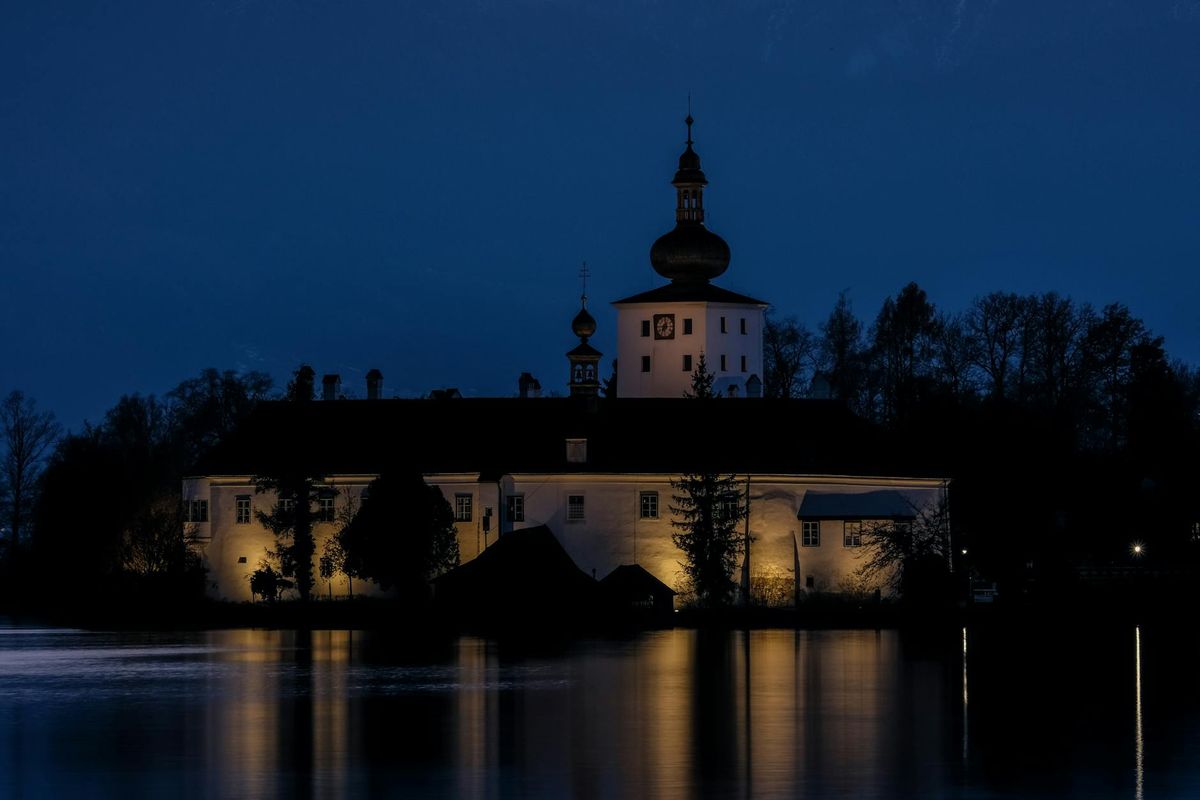
The Palace of the Inquisition in the Historic Centre of Mexico City was built between 1732 and 1736 to serve as the headquarters of the Holy Office of the Inquisition in New Spain. For decades, suspected heretics, Jews, Protestants, and others were tried, imprisoned, tortured, and sometimes executed within its walls. The building, now the Museum of Mexican Medicine, has been associated with supernatural phenomena since the Inquisition was abolished in 1820. Staff and visitors describe hearing screams from the former interrogation rooms, seeing hooded figures in the corridors (consistent with the robes worn by Inquisition officials), and experiencing an oppressive, suffocating atmosphere in the underground chambers where prisoners were held.
Some visitors have described feeling physical sensations of pain in specific rooms — as though the suffering inflicted in those spaces has left a physical imprint. The building's baroque architecture, with its ornate stone carvings and internal courtyard, creates a deceptive beauty that conceals the horror of its original purpose. The Mexican Inquisition was particularly aggressive in its persecution of crypto-Jews and indigenous spiritual practices, making the Palace of the Inquisition a monument to religious oppression in the New World.