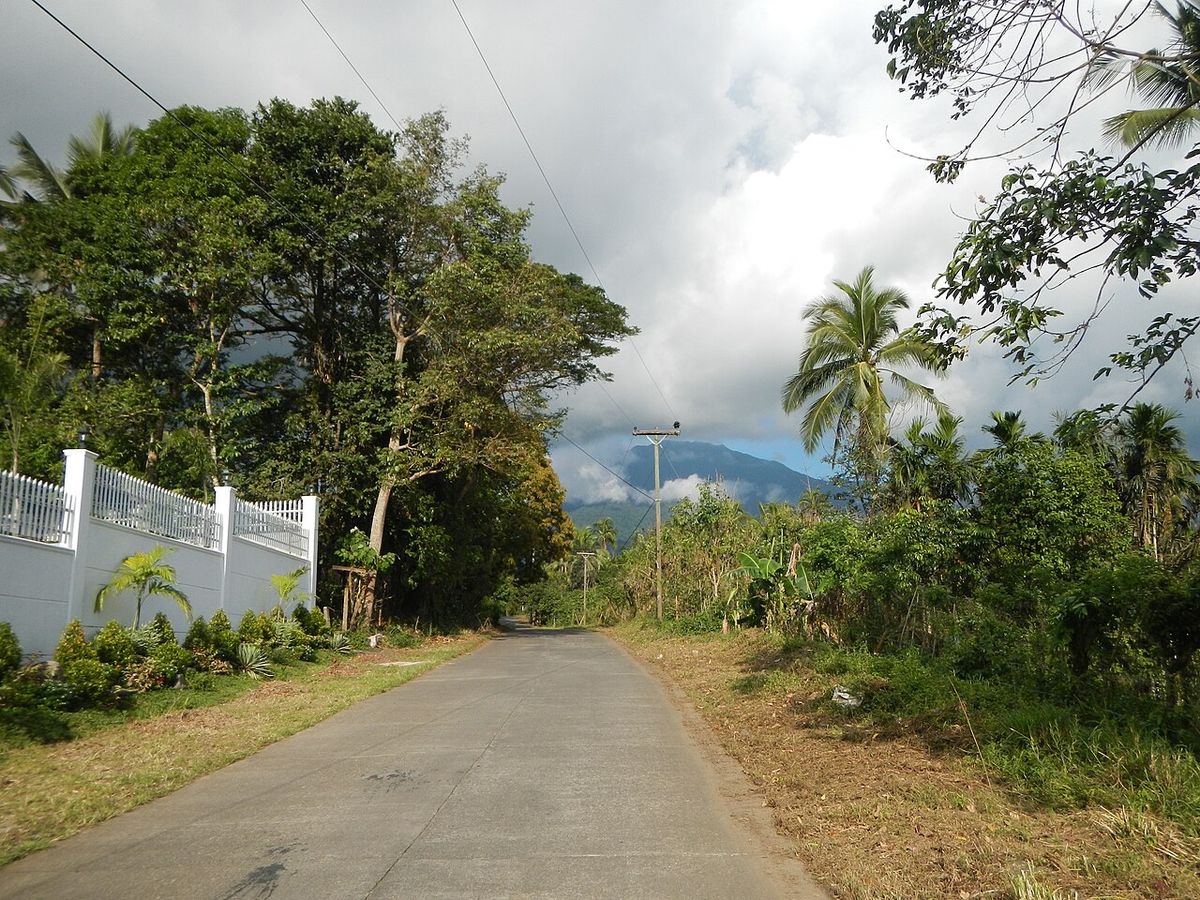
Mount San Cristobal in Dolores, Quezon Province, stands in the shadow of Mount Banahaw — one of the most sacred mountains in the Philippines, revered by dozens of folk-religious groups as a source of divine energy and healing. But where Banahaw is considered holy, San Cristobal is its dark mirror: a mountain that locals and spiritual practitioners describe as emanating negative energy, a place of malevolent forces that balances the sacred power of its neighbor.
The two mountains face each other across a valley in southern Luzon, and Filipino spiritual tradition holds that they exist in cosmic opposition — Banahaw as the seat of light and healing, San Cristobal as the dwelling place of darkness and testing. Hikers who have climbed both mountains describe strikingly different experiences. Banahaw's trails are marked by prayer sites, holy springs, and a sense of peace that pilgrims describe as palpable. San Cristobal's trails are characterized by disorientation, sudden weather changes, and an oppressive atmospheric weight that intensifies as one ascends.
Climbers on San Cristobal report hearing voices calling their names from the forest, encountering paths that seem to loop back on themselves, and feeling a persistent presence following just beyond the tree line. Some describe sudden, overwhelming feelings of dread that compel them to abandon their ascent. Others report seeing dark figures moving through the underbrush at the edge of visibility — shapes that are too large and too deliberate to be animals.
The mountain's reputation draws practitioners of "kulam" — Filipino folk sorcery — who are said to gather on its slopes to perform rituals that would be sacrilege on Banahaw. In the syncretic spiritual landscape of Quezon Province, where pre-colonial animism, Spanish Catholicism, and indigenous mysticism blend into something wholly Filipino, Mount San Cristobal serves as a necessary counterweight: the proof that darkness exists, which makes the light of Banahaw meaningful.