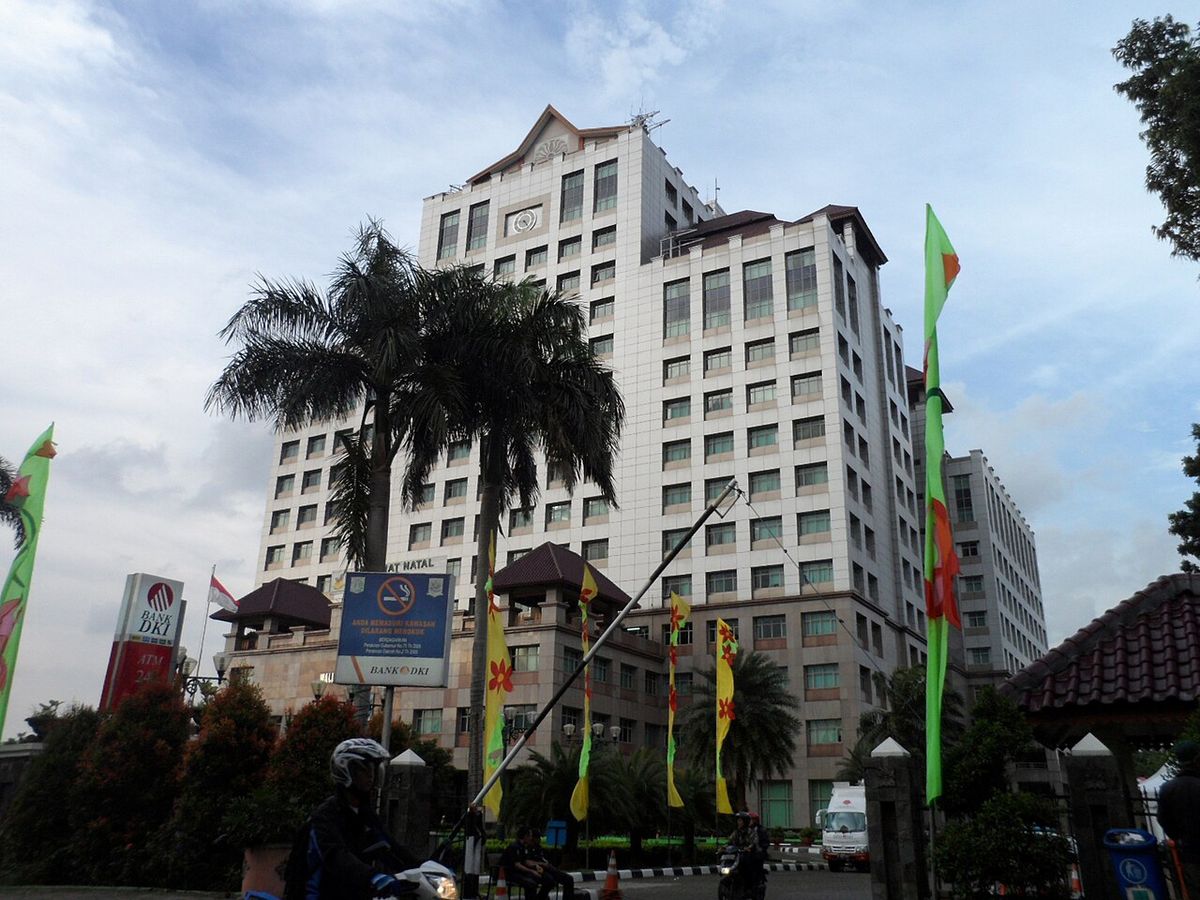
Kebayoran Baru, originally a planned residential area developed in the 1950s as Jakarta's first modern suburb, has acquired a haunted reputation in parts of the district. Some sections of the neighbourhood, particularly areas near older kampung (traditional village) communities that predated the planned development, are said to be haunted by spirits disturbed when their resting places were built over. Residents report seeing pocong — the ghosts of dead Muslims still wrapped in their burial shrouds — hopping through the streets at night.
The pocong is one of Indonesia's most distinctive and feared ghosts, depicted with bound feet (as in Islamic burial practice) that force it to hop rather than walk. Other phenomena include lights appearing in empty houses, the sound of traditional Javanese gamelan music playing from no visible source, and the kuntilanak's characteristic high-pitched laughter. Kebayoran Baru's haunted reputation reflects a specifically Indonesian urban anxiety — the tension between modernization and tradition, between the planned rationality of post-independence development and the spiritual landscape that existed before the planners arrived.