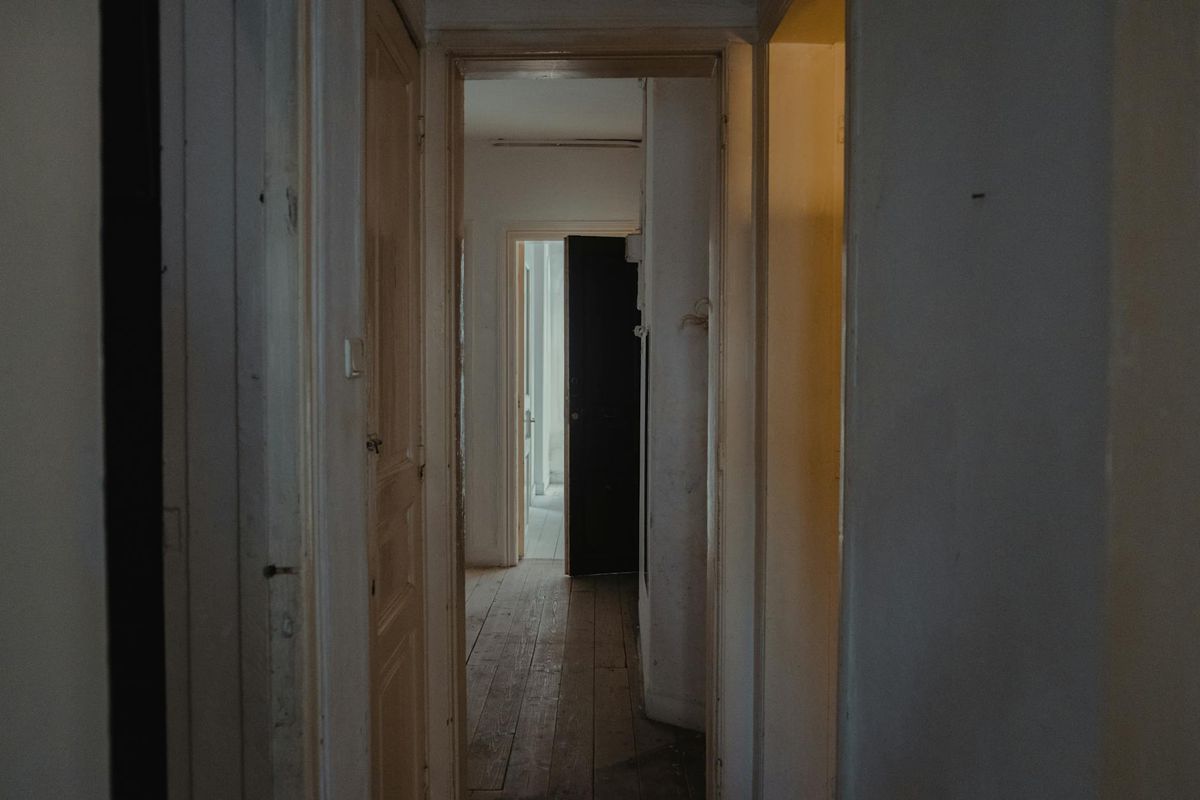
The José Rizal Memorial Protected Landscape in Dapitan, Zamboanga del Norte, preserves the estate where the Philippines' national hero lived in exile from 1892 to 1896 — banished by the Spanish colonial government for his revolutionary writings. What is less widely known is that during his exile, Rizal himself documented poltergeist activity targeting his common-law wife, Josephine Bracken, in one of the houses on the property.
In 1895, Rizal — a trained physician, scientist, polyglot, and the most intellectually rigorous Filipino of his generation — reported that Josephine was being tormented by unseen forces within their home. Objects moved without being touched, unexplained noises disrupted the household, and physical disturbances occurred that Rizal, despite his scientific training, could not attribute to natural causes.
The fact that Rizal documented the poltergeist activity gives the account unusual credibility. Rizal was no superstitious peasant reporting village ghost stories — he was an ophthalmologist educated in Madrid, Paris, and Heidelberg, a man of the Enlightenment who had spent his career fighting the ignorance and superstition that he believed held the Filipino people in bondage. For Rizal to record poltergeist phenomena as genuine occurrences rather than dismiss them as superstition suggests that what he witnessed was disturbing enough to overcome his scientific skepticism.
The Dapitan exile property sits on the coast of Zamboanga del Norte, in a region rich with pre-colonial Moro and indigenous Subanen spiritual traditions. The poltergeist activity may have drawn from the spiritual landscape of western Mindanao, where the "diwata" and "tonong" of Subanen belief inhabit the forests, rivers, and mountains of the peninsula. Josephine Bracken, an Irish-Filipino woman who had arrived in Dapitan from Manila, may have been perceived by local spirits as an intruder — someone who did not belong to the spiritual ecosystem of the area.
The memorial site today preserves several of Rizal's structures and is a national pilgrimage destination. Whether the poltergeist that troubled Josephine Bracken in 1895 still manifests in the property is not publicly reported, but the site's spiritual significance — as both a secular national shrine and a location of documented supernatural activity reported by the nation's greatest hero — makes it a uniquely layered Philippine landmark.