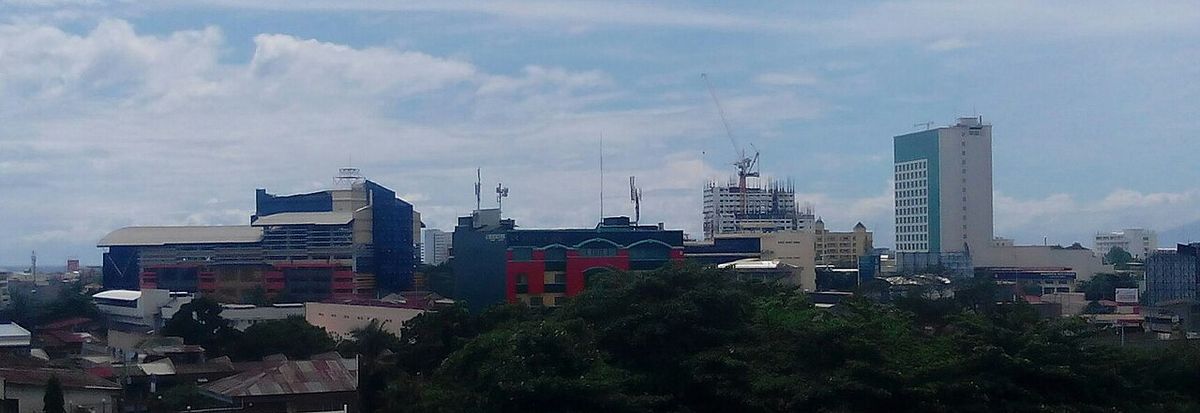
The Matina campus of Ateneo de Davao University sits on the site of a wartime Japanese airfield — a military installation that saw intense activity during the Japanese occupation of Mindanao and that was targeted by American bombing raids during the liberation campaign of 1945. The campus, built over the runways and hangars where Japanese pilots lived and died, generates hauntings drawn from both the wartime dead and the university's own more recent losses.
Japanese soldiers are the most commonly reported ghosts. Students, faculty, staff, and security personnel describe seeing figures in Japanese military uniforms walking across the campus grounds — particularly in open areas that correspond to the former runways, where the soldiers move as if performing ground crew duties or walking to their aircraft. The apparitions appear most frequently at dawn and dusk, the hours when airfield operations would have been most active.
The wartime ghosts are complemented by the spirits of deceased students. Philippine universities frequently report student ghosts, and Ateneo de Davao is no exception — the spirits of students who died during their enrollment are encountered in buildings, libraries, and dormitory areas. These more recent ghosts are described as younger, dressed in contemporary clothing, and exhibiting behaviors consistent with student life: studying, walking between buildings, or sitting in common areas.
The layering of wartime and contemporary ghosts creates a campus where two eras of the dead coexist: the Japanese soldiers who operated from the airfield that existed before the university, and the Filipino students who attended the institution built over it. The two populations do not interact — they occupy the same physical space but different spiritual contexts, each anchored to the campus by the period in which they lived and died.
Davao City was heavily fortified by the Japanese during the occupation, and the Matina area served as a strategic military zone. The conversion of military infrastructure to educational use — a pattern repeated across the Philippines — created campuses where the ground itself retains the memory of conflict.