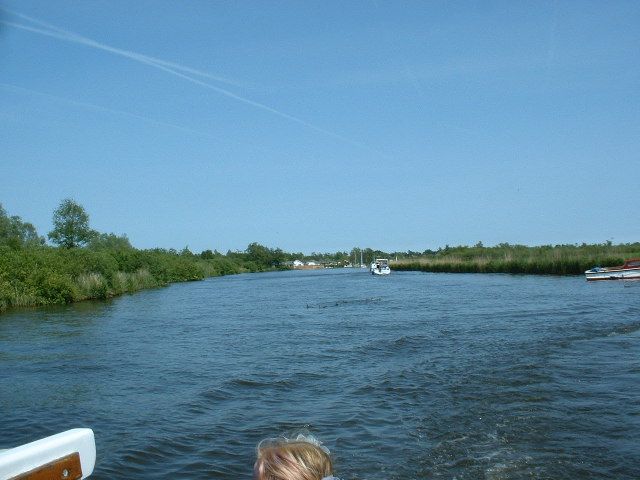
The Norfolk Broads, a network of navigable rivers, lakes, and marshes in Norfolk and Suffolk in eastern England, have a particularly rich tradition of will-o'-the-wisp sightings. Known locally as 'Jack-o'-Lantern,' 'Will-o'-the-Wykes,' or 'Hobby Lantern,' the mysterious lights were reported by generations of marshmen, reed cutters, and wildfowlers who worked the Broads' wetlands. The lights were described as pale, flickering flames — usually bluish or yellowish-white — that hovered over the water or danced across the reed beds. They appeared most frequently during autumn and winter, on calm, damp evenings when the marshes were at their most atmospheric.
In Norfolk folklore, the Jack-o'-Lantern was identified as the ghost of a wicked man condemned to wander the marshes with only a glowing coal to light his way — a version of the widespread 'wandering Jack' legend that also gave rise to the carved pumpkin tradition of Halloween. Experienced marsh workers knew to never follow the lights, which could lead into deep water or treacherous soft ground. The drainage of many Norfolk marshes in the 19th and 20th centuries reduced but did not eliminate sightings.