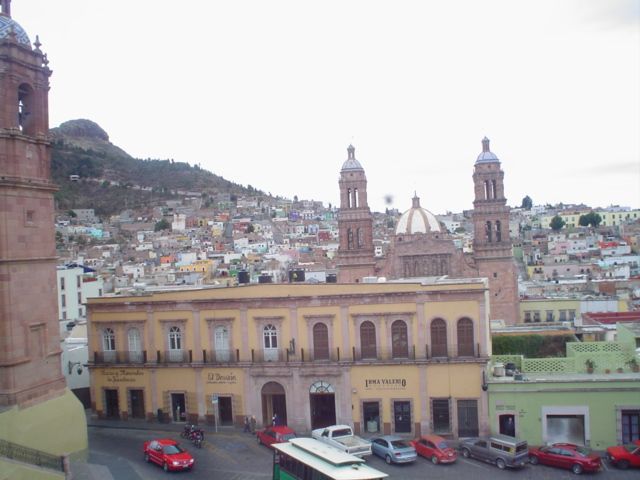
The Historic Centre of Zacatecas, a UNESCO World Heritage Site, is one of Mexico's most supernatural cities. Built atop one of the richest silver deposits ever discovered, the city's wealth came at an enormous human cost — indigenous workers died by the thousands in the mines during the colonial period. The city's most famous legend involves El Jinete sin Cabeza (the Headless Horseman), a phantom rider who gallops through the narrow streets on certain nights, the clip-clop of hooves echoing off the pink cantera stone buildings.
The city's colonial-era aqueduct, its numerous churches, and the old mine shafts that honeycomb the ground beneath the streets all have their own ghost stories. The Eden Mine, now a tourist attraction, produces reports of miners' ghosts working the tunnels with phantom pickaxes. The Bufa hill, crowned by a chapel and the site of a major battle during the Mexican Revolution, generates reports of revolutionary soldiers. Zacatecas's altitude of 2,485 metres, combined with its pink stone architecture, desert surroundings, and extraordinary colonial churches, creates an atmosphere of austere beauty.
The city's embrace of its supernatural heritage — through ghost tours, legends, and cultural events — reflects the Mexican cultural comfort with death that finds its purest expression in Día de los Muertos.