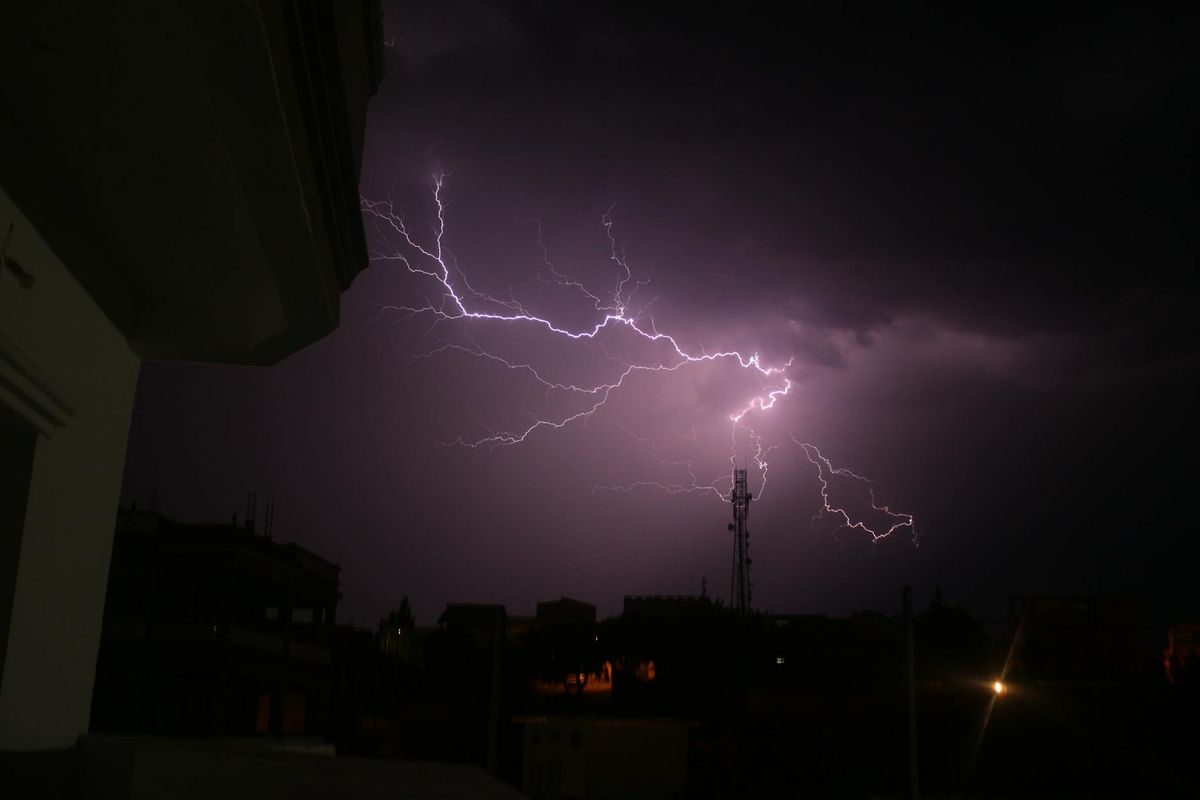
Norway's Hessdalen valley has been the site of ongoing unexplained luminous phenomena since at least the early 1980s. The remote valley, surrounded by mountains containing deposits of zinc, iron, copper, and scandium, seems to generate light phenomena unlike anything observed elsewhere with such consistency. The lights manifest in several distinct forms: a bright white or blue flash lasting seconds, a yellow-white sphere hovering for minutes to hours, and a cluster of smaller lights moving in formation.
In 2014, scientists from the Italian National Research Council published findings from a decade of automated observations, documenting lights that could not be attributed to aircraft, satellites, or known atmospheric phenomena. The spectral analysis of the lights revealed unusual emission lines that did not match any standard atmospheric optical phenomenon. Some researchers have drawn parallels to ball lightning, earthquake lights, and the more exotic concept of 'atmospheric plasma vortices,' but the persistence and predictability of the Hessdalen phenomenon — lights appearing in the same valley for over four decades — sets it apart from all comparable cases worldwide.