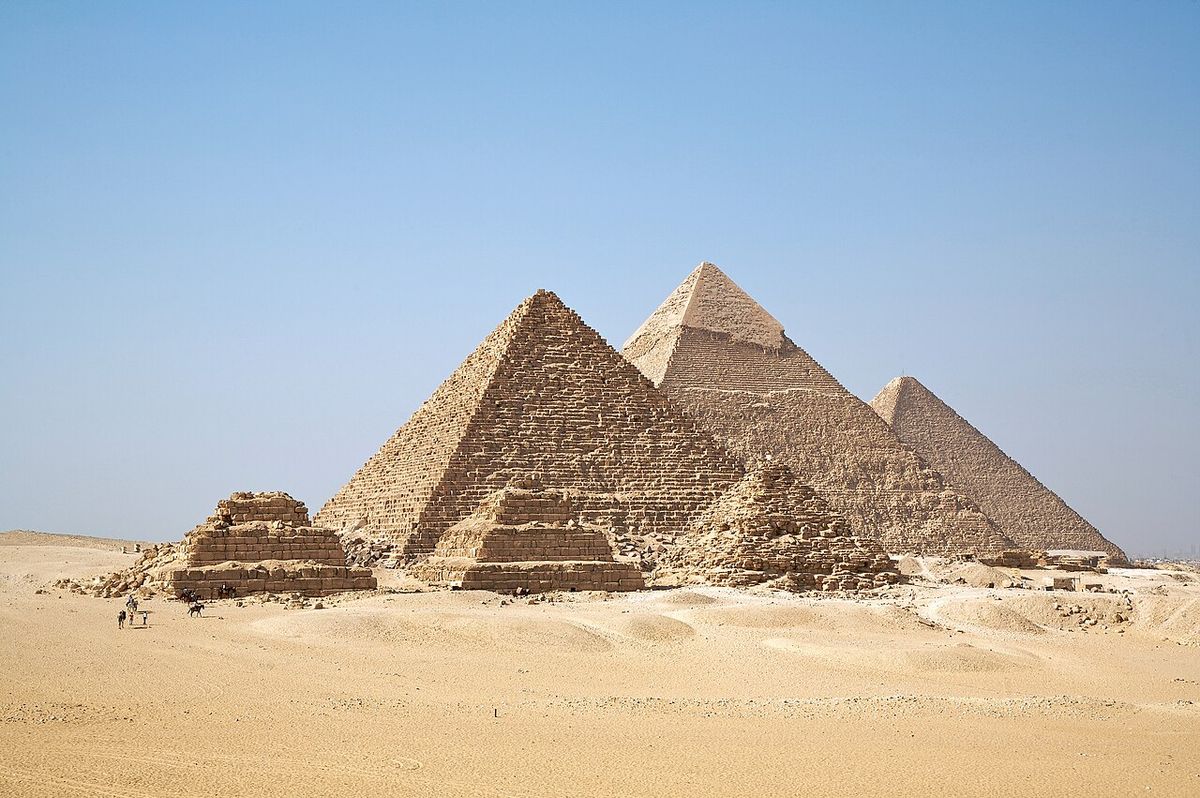
The Giza pyramid complex — comprising the Great Pyramid of Khufu (c. 2560 BCE), the Pyramid of Khafre, the Pyramid of Menkaure, the Great Sphinx, and the surrounding mortuary temples and mastaba fields — is both the oldest surviving monumental structure on Earth and the site of one of humanity's longest continuous paranormal traditions. Ancient Egyptian religious texts including the Pyramid Texts and the Book of the Dead conceptualize the pyramids not as tombs but as active technological devices for translating the deceased pharaoh's ka (life force) and ba (personality) between the worlds of the living and the dead. This fundamentally paranormal architectural purpose has generated four thousand years of reported phenomena.
The 'Curse of the Pharaohs' tradition, while popularly associated with the twentieth-century opening of Tutankhamun's tomb at Luxor in 1922, has genuine roots in pharaonic Old Kingdom inscriptions. Multiple Fourth Dynasty mastabas at Giza bear threshold inscriptions warning of the ka's protection over the deceased's body, with formulas condemning desecrators to physical and spiritual death. Medieval Arab chroniclers including Al-Masudi (10th century) and Al-Maqrizi (15th century) documented numerous accounts of apparitions at Giza, particularly of figures observed at the Great Pyramid's King's Chamber and on the Sphinx's paws. Napoleonic expedition savants in 1798 recorded multiple paranormal incidents during their survey of the complex, including a widely-discussed experience in which Napoleon Bonaparte reportedly emerged from an unaccompanied night in the King's Chamber visibly shaken and refused ever to discuss what had transpired.
Modern reports at Giza include: unexplained cold spots in the Queen's Chamber (where no burial is known to have occurred); persistent reports of faint chanting and multilingual voices in the descending passages; repeated photographic anomalies at the Sphinx and at the lesser pyramids; and — among Egyptologists and site workers — the 'Giza fever,' a documented respiratory illness that affects a significant proportion of long-term archaeologists working at the site and which some researchers have attributed to fungal spores while others to undefined factors. Egypt's Supreme Council of Antiquities maintains records of paranormal reports at Giza but does not publicly comment. The Giza plateau remains the most spiritually-loaded continuously-operating heritage site on Earth.