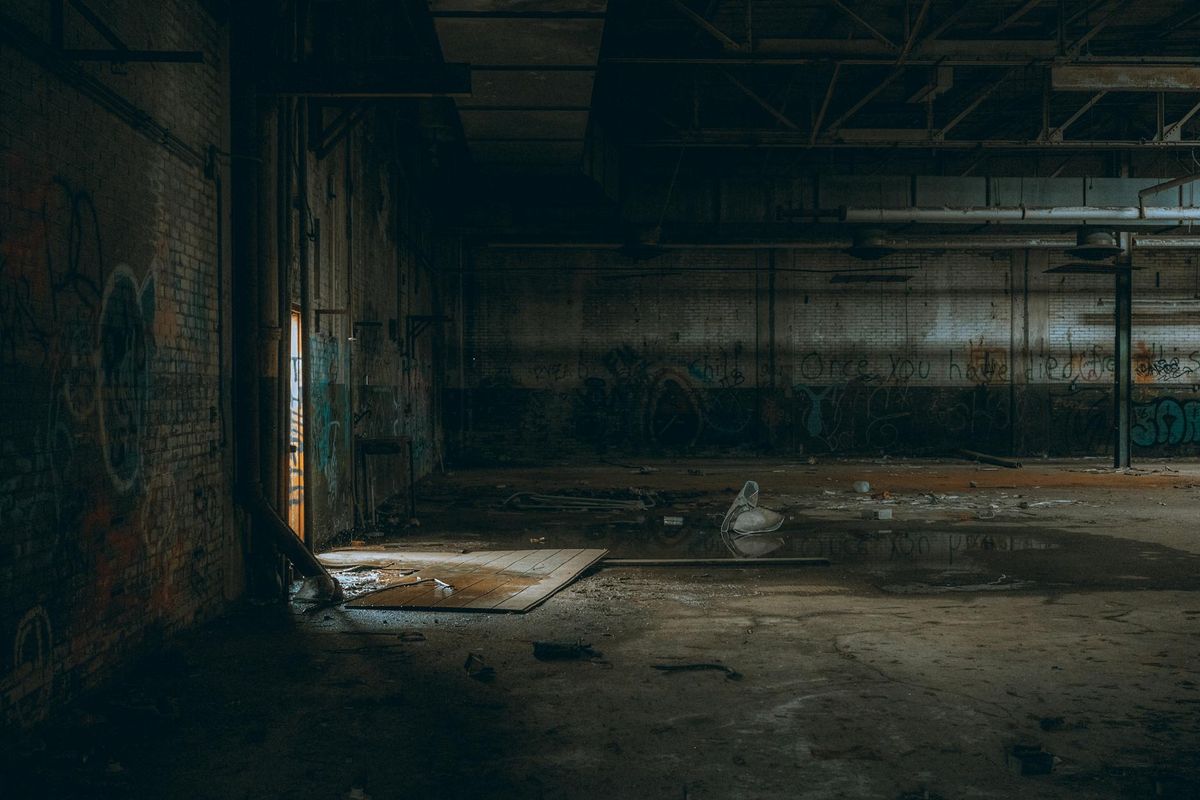
Fort San, a former tuberculosis sanatorium near Fort Qu'Appelle, Saskatchewan, sits in the Qu'Appelle Valley, one of the most beautiful landscapes on the Canadian prairies. The sanatorium operated from 1917 to 1972, treating patients with tuberculosis in the pre-antibiotic era when the disease was a death sentence for many. Patients were subjected to harsh treatments including artificial pneumothorax (collapsing the lung), bed rest lasting months or years, and exposure to the frigid prairie winter air in open-air sleeping porches. Many patients died at the facility, and some were buried in the sanatorium cemetery.
The buildings were later used as an arts education centre and a summer school, and the ghost stories have accumulated across all phases of its history. Former students and staff describe hearing coughing in the empty corridors — the persistent, wracking cough of advanced tuberculosis — footsteps in the hallways at night, and the apparition of a nurse in a starched white uniform moving between the rooms. The underground tunnels connecting the buildings are considered the most active area.
The Qu'Appelle Valley's dramatic landscape — deep, glacier-carved valley with lakes and forested slopes rising above the flat prairies — gives Fort San a setting of striking natural beauty haunted by medical suffering.