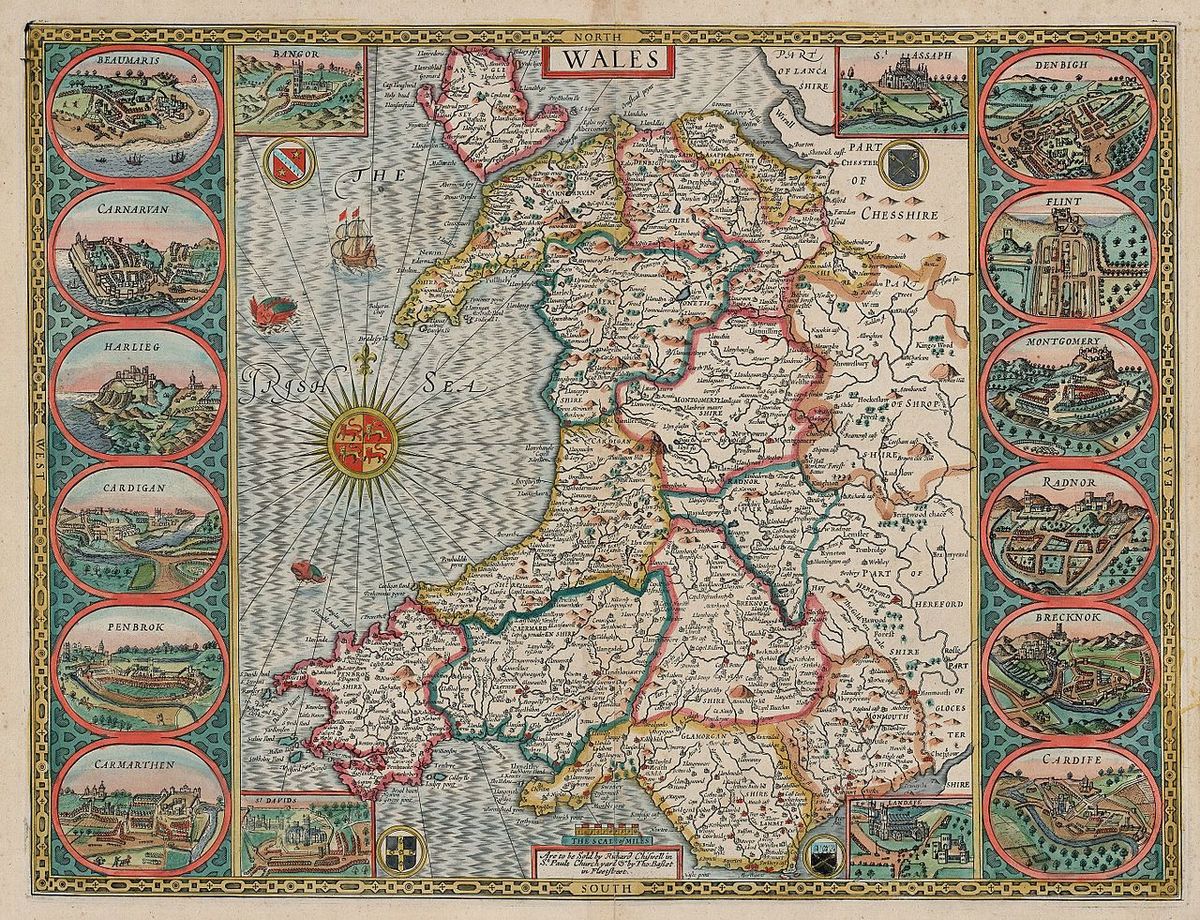
In 1909, the collection of Welsh fairy ring traditions was still yielding rich material for folklorists. Wales preserves some of the most detailed fairy ring mythology in the British Isles, centered on the Tylwyth Teg — the 'Fair Family,' Wales's equivalent of the Irish Sídhe. Welsh tradition held that fairy rings were the sites of midnight dances by the Tylwyth Teg, who were described as beautiful, golden-haired beings smaller than humans. Anyone stumbling upon a fairy dance would be irresistibly drawn into the circle, forced to dance until dawn — or until they dropped dead from exhaustion.
Time within the ring flowed differently: a night of dancing might correspond to a year in the mortal world, or even a century. The Welsh word 'cylch y Tylwyth Teg' (circle of the Fair Family) was applied to naturally occurring rings of mushrooms found in meadows and on hillsides. In some Welsh traditions, the grass inside a fairy ring grew greener and lusher than the surrounding turf, marking it as enchanted ground.