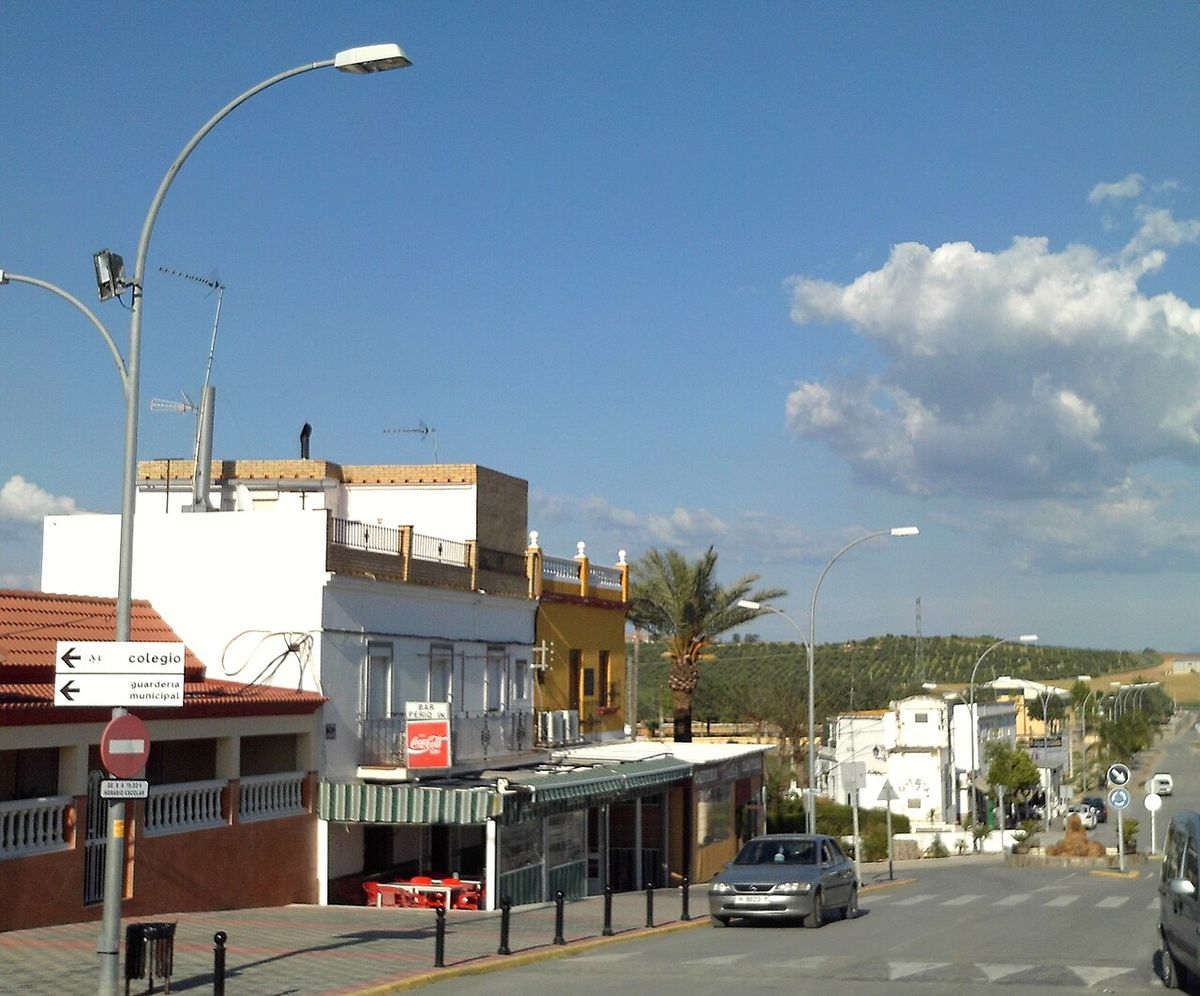
On March 30, 1968, four schoolgirls — Ana García Albacete, Josefa Guzmán Moreno, Rafaela Gordo García, and Ana García García — were playing in the fields of El Palmar de Troya, a hamlet approximately 40 kilometres south of Seville in Andalusia, when they reported seeing a luminous female figure appearing on the trunk of a mastic tree. The figure identified herself as the Virgin Mary and over the subsequent months delivered increasingly detailed apocalyptic and political messages — including warnings about the Second Vatican Council, the purported heresy of Pope Paul VI, and the coming rise of communism. The apparitions continued through 1969 and 1970, drawing hundreds and eventually thousands of pilgrims to the site.
The most-celebrated witness was Clemente Domínguez y Gómez, a Seville insurance company clerk who first visited El Palmar de Troya in September 1969 and subsequently experienced personal visionary experiences. Domínguez — who lost both eyes in a car accident in 1976 — was ordained a bishop by the sedevacantist Vietnamese Archbishop Ngô Đình Thục on January 11, 1976 and, on August 6, 1978 following the death of Pope Paul VI, claimed direct papal coronation by Christ in a mystical ceremony, taking the name Pope Gregory XVII. He founded the Palmarian Catholic Church, which persists today as one of the most theologically elaborated sedevacantist sects, claiming its own line of popes (currently Peter III) and maintaining its headquarters at the original apparition site in a large basilica built in the 1970s.
The El Palmar de Troya apparitions have produced one of the most extensive modern archives of Marian-apparition documentation in Western Europe — including decades of photographs and recordings of the original apparitions, medical certifications of purported stigmata on Domínguez and subsequent Palmarian clergy, and the Vatican's various doctrinal responses. The Holy See never formally recognized the apparitions and excommunicated the Palmarian leadership on multiple occasions. The Palmarian Basilica, a large Neo-Baroque complex constructed around the original mastic tree, is closed to non-members but visible from the nearby public road. El Palmar de Troya remains one of the most significant, most controversial, and most thoroughly-documented modern Marian apparition sites in Europe, continuously active for more than fifty years.