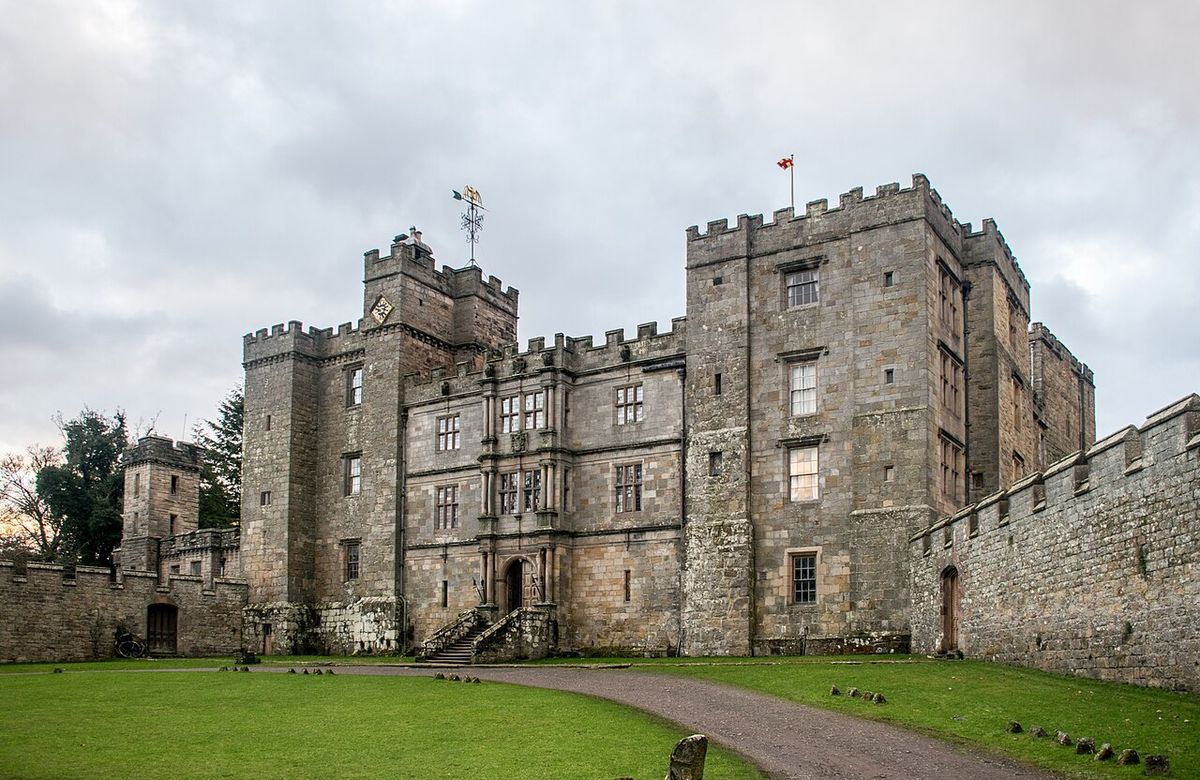
Chillingham Castle in Northumberland stands as one of England's most formidable medieval fortresses and, by many accounts, its most haunted. Built in the 12th century as a monastery, it was fortified during the border wars between England and Scotland and served as a staging post for Edward I's campaigns against William Wallace. The castle's long history of siege, imprisonment, and cruelty has left a legacy that many believe transcends the grave.
The castle's most infamous feature is its torture chamber, presided over for decades by John Sage, a lieutenant of Edward I known as "the tormentor." Sage is said to have tortured and killed hundreds of Scottish prisoners within the castle's dungeon. When he was eventually hanged from a nearby tree, the bones of his victims were discovered in vast quantities beneath the chamber floor. His ghost — a tall, heavy figure in leather — is one of several spectral presences reported in the dungeons.
The most frequently encountered ghost is the Blue Boy, whose cries were heard emanating from a wall in the Pink Room for generations. During renovations in the 1920s, the bones of a child were discovered within that wall, along with fragments of blue cloth. After the remains were given a proper burial, the cries ceased, though a blue halo of light is still occasionally reported above the bed. Lady Mary Berkeley, abandoned by her husband for her own sister in the 17th century, is said to roam the corridors in a rustling gown, and the sound of a baby's cry follows her apparition. Chillingham has been extensively investigated by paranormal teams and remains open to visitors who dare to stay overnight in its haunted chambers.