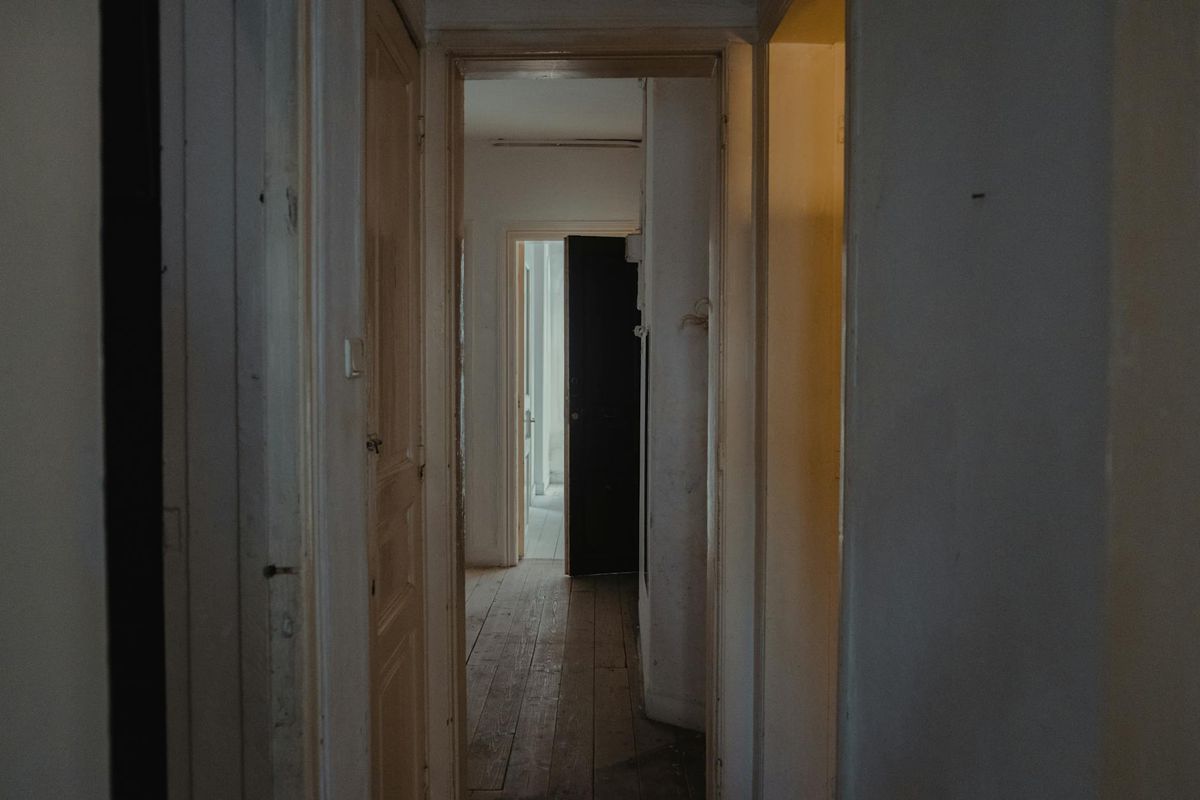
Calçada do Amparo is a narrow alley located behind the famous Ruins of St. Paul's in Macau, the former Portuguese colony now a Special Administrative Region of China. The alley, which runs through one of the oldest sections of the city, is believed to be haunted by ghosts from Macau's colonial past. Residents and passersby have reported seeing figures in Portuguese-era clothing walking through the alley at night, hearing whispered conversations in Portuguese, and feeling sudden cold spots in the narrow passage.
The Ruins of St. Paul's themselves — the façade of a Jesuit church built in the early 17th century and destroyed by fire in 1835 — are associated with their own supernatural legends, including reports of chanting from the long-destroyed nave and the smell of incense where no source exists. Macau's unique position as a meeting point of Portuguese and Chinese cultures has produced a rich supernatural tradition that draws from both European ghost stories and Chinese spirit beliefs.
The Hungry Ghost Festival, observed with particular intensity in Macau, reflects the Chinese tradition of appeasing wandering spirits, while the Portuguese Catholic heritage brings its own traditions of haunted churches and colonial-era ghosts.