Archaeological investigations at known witch trial sites across Europe have provided sobering physical evidence of the persecution. Excavations at execution sites have uncovered mass graves, stake-hole patterns, and the remnants of pyres. In Bamberg, Germany, the ruins of the Drudenhaus — a specially constructed 'witch prison' where accused witches were held and tortured — have been studied extensively. In Trier, investigators have identified the sites where hundreds of victims were burned during the devastating trials of 1581-1593. Underwater archaeology at locations where accused witches underwent 'swimming tests' has occasionally recovered the stones used as weights. In Scotland, the remains of witches' prisons and execution sites have been identified in Edinburgh, North Berwick, and other towns. Perhaps most poignantly, archaeological surveys of abandoned villages in Germany have revealed communities that were virtually depopulated by witch trials — places where the persecution consumed so many residents that the settlement could no longer sustain itself. These physical traces serve as a material counterpart to the documentary record, grounding the statistics of prosecution in the tangible evidence of human suffering.
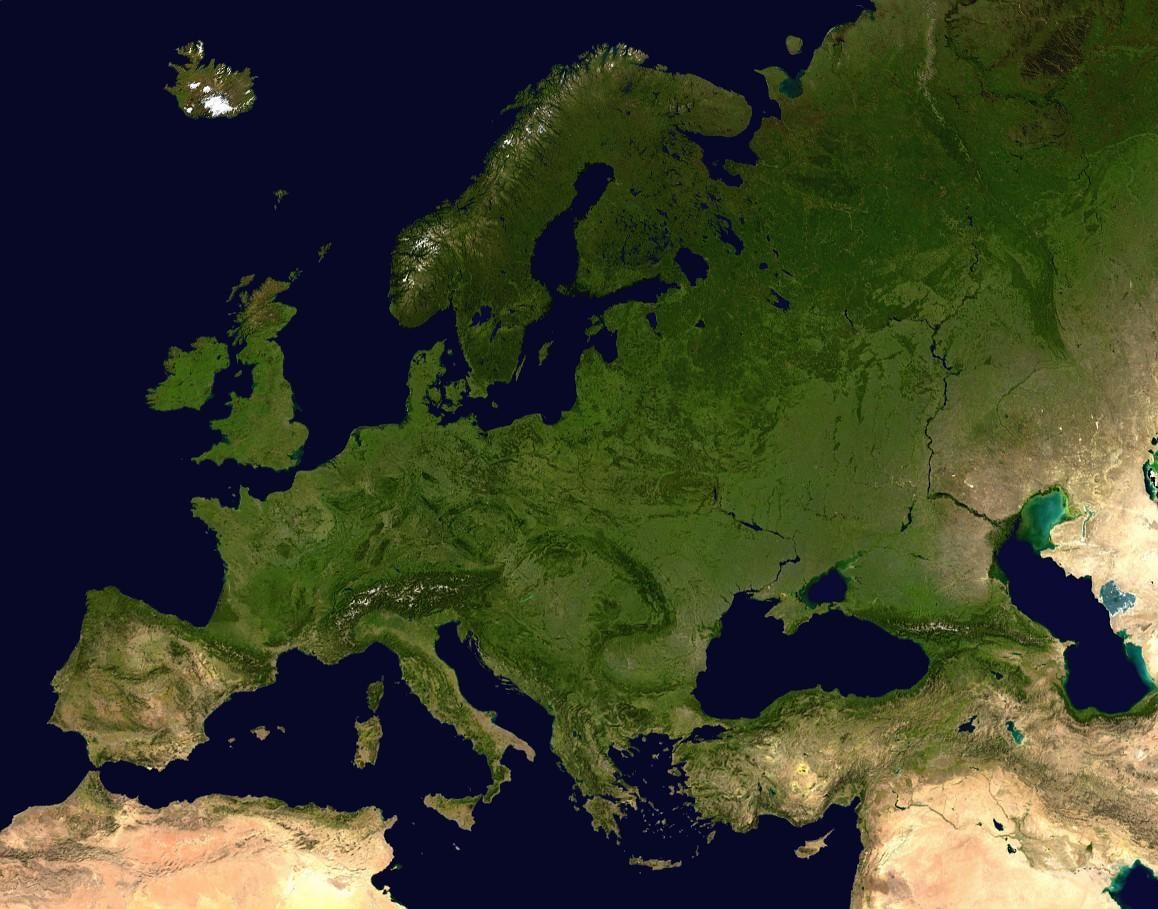
Wikimedia Commons (Public domain) — Unknown
Archaeological Evidence of Witch Trial Sites Across Europe
Folklore & LegendsWitch/CurseHistorical
52.1318°N, 106.6307°W
Location
Europe
Discussion
Loading comments...