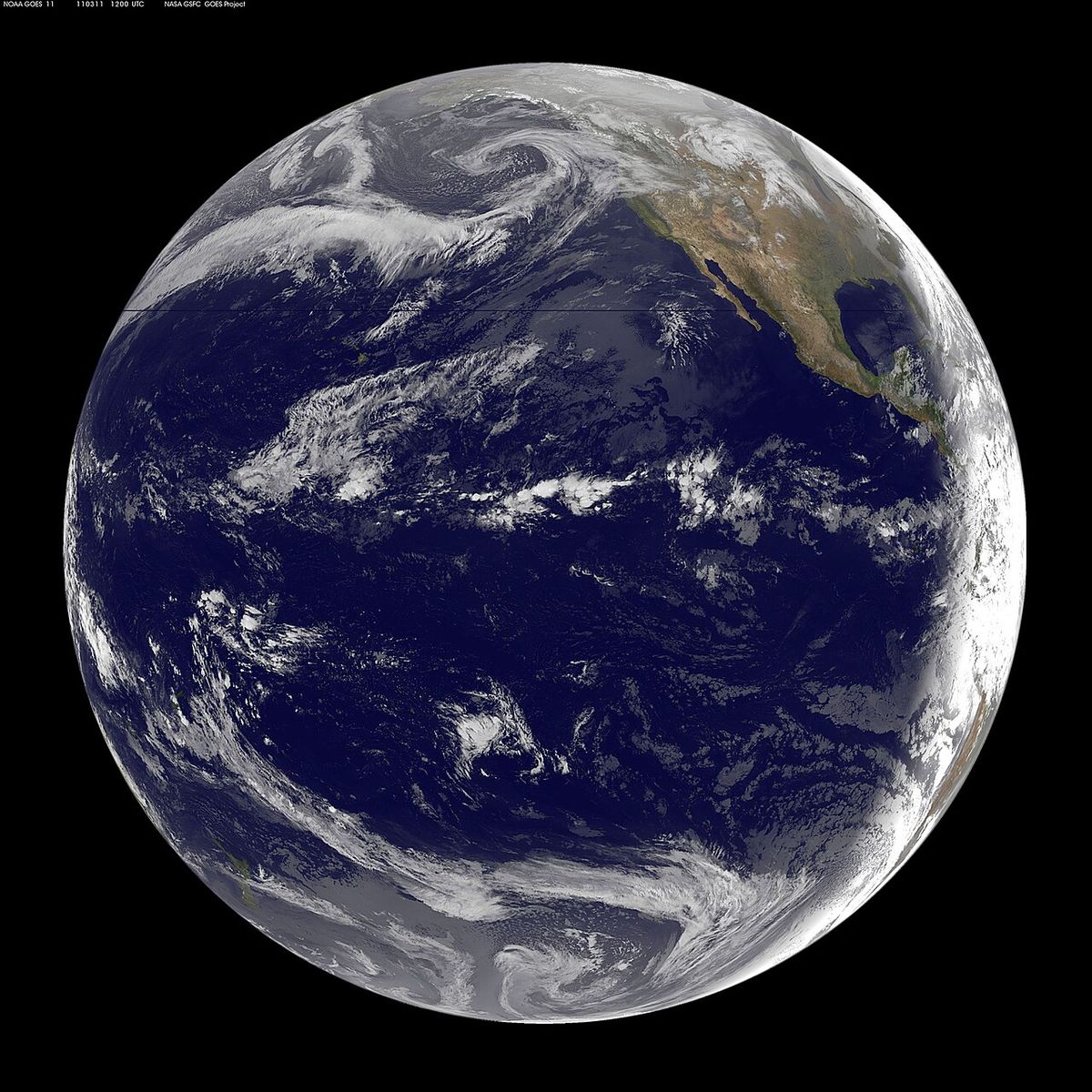
On July 2, 1937, aviation pioneer Amelia Earhart and her navigator Fred Noonan vanished over the central Pacific Ocean during their attempt to circumnavigate the globe along an equatorial route. They had departed Lae, New Guinea for Howland Island — a tiny, flat coral island roughly 1,600 miles to the northeast — with the U.S. Coast Guard cutter Itasca stationed at Howland to provide radio navigation support. Earhart's final confirmed radio transmissions, received by the Itasca between 7:42 and 8:43 AM local time, indicated she was unable to locate the island and was running low on fuel.
Her last message stated: 'We are on the line 157 337. We will repeat this message. We are running on line north and south.' The Itasca attempted to establish contact but received no further transmissions.
The subsequent search, involving the U.S. Navy and Coast Guard, was the most expensive air and sea search in history up to that point, covering 250,000 square miles of ocean. No confirmed wreckage of Earhart's Lockheed Model 10-E Electra has ever been found, though underwater expeditions continue to this day using advanced sonar and deep-sea imaging technology.